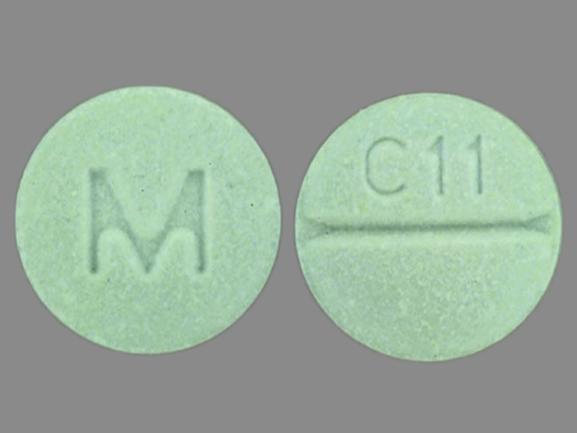
Clozapine (Monograph)
Brand names: Clozaril, Versacloz
Drug class: Atypical Antipsychotics
VA class: CN709
Chemical name: 8-chloro-11-(4-methyl-1-piperazinyl)-5H-dibenzo[b,e][1,4] diazepine
CAS number: 5786-21-0
Warning
Risk Evaluation and Mitigation Strategy (REMS):
FDA approved a shared REMS for clozapine to ensure that the benefits outweigh the risks. The REMS consists of the following: elements to assure safe use and implementation system. See https://www.accessdata.fda.gov/scripts/cder/rems/. (Also see REMS under Dosage and Administration.)
Warning
- Severe Neutropenia
-
Clozapine can cause severe neutropenia (ANC <500/mm3), which may lead to serious and potentially fatal infections.
-
Patients initiating or continuing treatment with clozapine must have a baseline blood ANC before initiating clozapine therapy and regular ANC monitoring during treatment. (See Severe Neutropenia under Cautions.)
-
Because of this risk, clozapine is available only through a restricted distribution program called the Clozapine REMS program, which ensures periodic monitoring of ANC. (See General under Dosage and Administration.)
- Orthostatic Hypotension, Bradycardia, and Syncope
-
Orthostatic hypotension, bradycardia, syncope, and cardiac arrest reported. Risk is highest during initial titration period, particularly with rapid dosage escalation; these reactions may occur with the first clozapine dose and with doses as low as 12.5 mg.
-
Initiate clozapine therapy at 12.5 mg once or twice daily, titrate slowly, and administer in divided doses. (See Dosage under Dosage and Administration.)
-
Use with caution in patients with cardiovascular or cerebrovascular disease or conditions predisposing to hypotension (e.g., dehydration, concurrent antihypertensive therapy). (See Orthostatic Hypotension, Bradycardia, and Syncope under Cautions.)
- Seizures
-
Seizures have occurred; risk is dose-related.
-
Initiate clozapine therapy at 12.5 mg, titrate gradually, and administer in divided doses.
-
Use with caution in patients with a history of seizures or other predisposing factors (e.g., CNS pathology, concurrent use of other drugs that lower seizure threshold, alcohol abuse).
-
Advise patients to use caution when engaging in activities where sudden loss of consciousness could cause serious risk to patient or others. (See Seizures under Cautions.)
- Myocarditis, Cardiomyopathy, and Mitral Valve Incompetence
-
Risk of potentially fatal myocarditis and cardiomyopathy.
-
Promptly discontinue clozapine and obtain cardiac evaluation if myocarditis or cardiomyopathy is suspected. (See Myocarditis, Cardiomyopathy, and Mitral Valve Incompetence under Cautions.)
- Increased Mortality in Geriatric Patients with Dementia-related Psychosis
-
Geriatric patients with dementia-related psychosis are at an increased risk of death.
-
Analyses of 17 placebo-controlled trials in geriatric patients mainly receiving atypical antipsychotic agents revealed an approximate 1.6- to 1.7-fold increase in mortality compared with that in patients receiving placebo.
-
Most fatalities resulted from cardiovascular-related events (e.g., heart failure, sudden death) or infections (mostly pneumonia).
-
Observational studies suggest that conventional or first-generation antipsychotic agents also may increase mortality in such patients.
-
Antipsychotic agents, including clozapine, are not approved for the treatment of dementia-related psychosis.
Introduction
Dibenzodiazepine-derivative; atypical or second-generation antipsychotic agent.
Uses for Clozapine
Treatment-resistant Schizophrenia
Management of treatment-resistant schizophrenia in severely ill patients who fail to respond adequately to standard antipsychotic therapy. Because of the risk of severe neutropenia and seizures, use only in patients who have failed to respond adequately to standard antipsychotic treatment. (See Boxed Warning and also see Severe Neutropenia under Cautions.)
APA recommends considering a trial of clozapine in patients with schizophrenia who had no response or a partial or suboptimal response to adequate trials of 2 antipsychotic agents (including at least one second-generation [atypical] antipsychotic agent), in patients with a history of chronic and persistent suicidal ideation and behavior that has not responded to other treatments, and in patients with persistent hostility and aggression.
Has been used in the management of childhood-onset schizophrenia in a limited number of treatment-resistant children and adolescents† [off-label]. Because of the risk of severe toxicity, the American Academy of Child and Adolescent Psychiatry (AACAP) states that clozapine should be reserved for treatment-refractory pediatric patients who have failed to respond to adequate therapeutic trials of at least 2 other first-line antipsychotic agents.
Suicide Risk Reduction in Schizophrenia and Schizoaffective Disorder
Reduction in risk of recurrent suicidal behavior in patients with schizophrenia or schizoaffective disorder who are judged to be at chronic risk for reexperiencing suicidal behavior, based on history and recent clinical state.
In the principal supportive study for this use, most patients also received other treatments to reduce suicide risk, including concomitant psychotropic agents (i.e., antipsychotics, anxiolytics, antidepressants, mood stabilizers), hospitalization, and/or psychotherapy; contributions to efficacy unknown.
Parkinsonian Syndrome
Has been used in a limited number of patients with advanced, idiopathic parkinsonian syndrome for management of dopaminomimetic psychosis† [off-label] associated with antiparkinsonian drug therapy, but adverse effects (e.g., sedation, confusion, increased parkinsonian manifestations) may limit benefit.
Related/similar drugs
Vraylar, quetiapine, aripiprazole, Abilify, Seroquel, olanzapine, risperidone
Clozapine Dosage and Administration
General
- Pretreatment Screening
-
Prior to initiating clozapine therapy, obtain a baseline complete blood cell (CBC) count, including absolute neutrophil count (ANC). In the general population, baseline ANC must be ≥1500/mm3 before clozapine therapy can be initiated. In patients with documented benign ethnic neutropenia (BEN), baseline ANC must be ≥1000/mm3 to be eligible for clozapine therapy.
- Patient Monitoring
-
Regular ANC monitoring is required during clozapine therapy.
- REMS
-
Because of risk of severe neutropenia, clozapine is available only through a restricted distribution program (Clozapine REMS program). As of October 12, 2015, all previous clozapine registries were replaced by a single, shared centralized system called the Clozapine REMS program. Under this shared program, only ANC is used to monitor patients for clozapine-induced neutropenia; white blood cell (WBC) count monitoring is no longer required. In addition, ANC thresholds for clozapine treatment interruption were lowered from previous requirements to allow continued treatment for a greater number of patients, and patients with benign ethnic neutropenia (BEN) who were previously ineligible to receive clozapine are now eligible.
-
Prescribers (who prescribe clozapine for outpatient use or initiate treatment for inpatients) must be certified with the Clozapine REMS program before they can prescribe clozapine; pharmacies must also certify with the program before they can receive and dispense the drug. Certified prescribers must enroll patients in the Clozapine REMS program and submit patients' ANC values to the program.
-
On July 29, 2021, the Clozapine REMS program was modified to include changes to the authorization process for dispensing clozapine and changes to ANC reporting requirements. Starting November 15, 2021, pharmacists will no longer be able to use telecommunication verification (also known as the switch system) and will need to contact the REMS program by phone (888-586-0758) or online (www.clozapinerems.com) to verify safe use conditions and obtain authorization to dispense clozapine. In addition, prescribers will no longer need to submit ANC results according to the patient's monitoring frequency; the new process requires that ANC results be submitted monthly through a new Patient Status form, which will be used to document monitoring for all outpatients receiving the drug. Prescribers must re-enroll their existing patients, and pharmacies must re-certify in the revised Clozapine REMS program by November 15, 2021 before they can prescribe and dispense clozapine.
Administration
Oral Administration
Administer orally as conventional tablets, orally disintegrating tablets, or oral suspension without regard to meals. (See Food under Pharmacokinetics.)
Administer in divided doses to minimize risk of certain adverse effects (e.g., orthostatic hypotension, bradycardia, syncope, seizures). If daytime sleepiness occurs, consider bedtime administration.
Just prior to administration of orally disintegrating tablet, peel foil blister backing completely off the blister and gently remove tablet; do not push tablet through the foil. Immediately place on the tongue to dissolve and swallow with or without liquid; tablet also can be chewed.
Prior to each use of clozapine oral suspension (Versacloz), shake bottle for 10 seconds. Use the bottle adapter and calibrated oral dosing syringe supplied by the manufacturer to administer the dose directly into the mouth; do not store in syringe for later use.
Dosage
Orally disintegrating tablets and conventional tablets are bioequivalent; oral suspension and conventional tablets also are bioequivalent.
Carefully adjust dosage according to individual requirements and response using lowest possible effective dosage.
To minimize the risks of orthostatic hypotension, bradycardia, syncope, and seizures, titrate dosage cautiously and administer in divided doses. (See Orthostatic Hypotension, Bradycardia, and Syncope under Cautions.)
Pediatric Patients
Schizophrenia† [off-label]
Oral
Dosage not established.
In a clinical study conducted by the National Institute of Mental Health (NIMH) in children (mean: 14 years of age), an initial dosage of 6.25–25 mg daily (depending on patient’s weight) was used; dosages could be increased every 3–4 days by 1–2 times the initial dose on an individual basis up to a maximum of 525 mg daily.
Adults
Schizophrenia
Oral
Initially, 12.5 mg once or twice daily. If well tolerated, increase by 25–50 mg daily over a 2-week period until the target dosage of 300–450 mg daily (administered in divided doses) is achieved.
Make subsequent dosage increases no more than once or twice weekly, in increments ≤100 mg.
Continue daily administration in divided doses (e.g., 2–3 times daily) until effective and tolerable dosage reached, usually within 2–5 weeks, up to a maximum dosage of 900 mg daily.
Many respond adequately to dosages between 200–600 mg daily, but 600–900 mg daily may be required in some patients.
In responsive patients, continue maintenance treatment at the effective dosage beyond the acute episode.
In patients with remitted first or multiple episodes, APA recommends either indefinite maintenance therapy or gradual discontinuance of the antipsychotic with close follow-up and a plan to reinstitute treatment upon symptom recurrence. Consider antipsychotic therapy discontinuance only after ≥1 year of symptom remission or optimal response while receiving the drug. Indefinite maintenance treatment recommended if patient has experienced multiple previous psychotic episodes or 2 episodes within 5 years.
Suicide Risk Reduction
Oral
Initially, 12.5 mg once or twice daily. If well tolerated, increase by 25–50 mg daily over a 2-week period until a dosage of 300–450 mg daily (administered in divided doses) is achieved.
Make subsequent dosage increases no more than once or twice weekly, in increments ≤100 mg.
In the principal supportive study, mean dosage was about 300 mg daily (range: 12.5–900 mg daily).
Efficacy established over the 2 year study; in responsive patients, continue maintenance treatment at the effective dosage beyond the acute episode.
Discontinuance of Therapy
Oral
For planned discontinuance of therapy, if no evidence of moderate to severe neutropenia, reduce dosage gradually over a 1- to 2-week period.
If abrupt discontinuance is required because of moderate to severe neutropenia, monitor ANC according to neutropenia monitoring recommendations (see Severe Neutropenia under Cautions). If clozapine is discontinued abruptly for reasons unrelated to neutropenia, continue most recent ANC monitoring schedule until ANC is in the normal range (i.e., ≥1500/mm3 in the general population; in patients with BEN, ≥1000/mm3 or above their baseline). Monitor ANC if fever occurs during the 2 weeks after discontinuance. Observe carefully for recurrence of psychotic symptoms and symptoms related to cholinergic rebound (e.g., profuse sweating, headache, nausea, vomiting, diarrhea). (See Withdrawal of Therapy under Cautions.)
Reinitiation of Therapy
Oral
If restarted after brief interruption (i.e., ≥2 days) in therapy, reinitiate at dosage of 12.5 mg once or twice daily. If dosage well tolerated, may titrate back to therapeutic dosage more quickly than during initial treatment.
If treatment interrupted for ≥30 days, restart ANC monitoring schedule as with initial therapy. For treatment interruptions <30 days, may continue the same ANC monitoring schedule as before treatment interruption. (See Severe Neutropenia under Cautions.)
Generally, do not reinitiate clozapine in patients who develop severe neutropenia (ANC <500/mm3); however, clinician may determine that benefits outweigh risks. (see Severe Neutropenia under Cautions)
Prescribing Limits
Adults
Oral
Maximum 900 mg daily.
Special Populations
Hepatic Impairment
Clozapine concentrations may be increased; dosage reduction may be necessary in patients with clinically important hepatic impairment.
Renal Impairment
Clozapine concentrations may be increased; dosage reduction may be necessary in patients with clinically important renal impairment.
Geriatric Patients
Select dosage with caution because of age-related decreases in hepatic, renal, and/or cardiac function and concomitant disease and drug therapy.
Pharmacogenomics: Poor CYP2D6 Metabolizer Phenotype
Clozapine concentrations may be increased; dosage reduction may be necessary in patients who are known poor metabolizers of CYP2D6.
Cautions for Clozapine
Contraindications
-
History of serious hypersensitivity to clozapine (e.g., photosensitivity, vasculitis, erythema multiforme, Stevens-Johnson syndrome) or any ingredient in the formulation.
Warnings/Precautions
Warnings
Severe Neutropenia
Neutropenia reported in clozapine-treated patients. Neutropenia is sometimes severe (ANC <500/mm3) and increases the risk of serious and potentially fatal infections.
Previously “severe leukopenia,” “severe granulocytopenia,” and “agranulocytosis” were used in the clozapine prescribing information to describe this hematologic effect; however, for standardization purposes, previous terms have been replaced with “severe neutropenia.”
Unless patient is at risk for recurrent suicidal behavior, use clozapine only in patients who have failed to respond adequately to standard antipsychotic treatment. (See Uses.)
Mechanism of clozapine-induced neutropenia not known; risk is not dose-dependent. Risk of neutropenia appears greatest during first 18 weeks of therapy and declines thereafter. Not known whether concurrent use of other drugs known to cause neutropenia increases the risk or severity of clozapine-induced neutropenia. (See Interactions.)
BEN is a condition observed in certain ethnic groups whose average ANC values are lower than standard laboratory ranges for neutrophils. BEN has an approximate prevalence of 25–50% in individuals of African descent, and is also observed in some Middle Eastern ethnic groups and in other non-Caucasian ethnic groups with darker skin; the condition is more common in men. Patients with BEN have normal hematopoietic stem cell number and myeloid maturation, are healthy, and do not suffer from repeated or severe infections. Such patients are not at increased risk for developing clozapine-induced neutropenia. BEN may be diagnosed by repeated low ANC measurements (<1500/mm3 and usually ≤1000/mm3) for several months without identifiable causes. Consult with hematology specialist to determine if neutropenia is due to BEN. Patients with documented BEN have different ANC monitoring and treatment recommendations than the general population due to their lower baseline ANC. (See Table 2.)
Determine baseline CBC and ANC before initiation of therapy. Do not initiate therapy if baseline ANC <1500/mm3 (or <1000/mm3 in patients with documented BEN).
For first 6 months, monitor ANC every week; after 6 months of continuous therapy, if ANC remains in normal range, may monitor every 2 weeks. After a further 6 months, if ANC continues to be in normal range, may reduce monitoring to every 4 weeks for the remainder of therapy. If clozapine is discontinued abruptly for reasons unrelated to neutropenia, continue the patient's most recent ANC monitoring schedule until ANC is in the normal range (i.e., ≥1500/mm3 or in patients with BEN, ≥1000/mm3 or above baseline). If clozapine is discontinued because of moderate to severe neutropenia, monitor ANC according to neutropenia monitoring recommendations. Monitor ANC if fever occurs during the 2 weeks after clozapine discontinuance.
See Tables 1and 2 for ANC monitoring frequency and treatment recommendations based on ANC value in the general patient population and for patients with BEN, respectively.
In hospice patients (i.e., terminally ill with estimated life expectancy of ≤6 months), clinician may reduce frequency of ANC monitoring to once every 6 months after discussion with the patient and/or caregiver, taking into account the patient's terminal illness, the importance of monitoring ANC, and the need to control psychiatric symptoms.
Confirm all initial reports of ANC <1500/mm3 with a repeat ANC measurement within 24 hours.
|
ANC Value |
Treatment Recommendations |
Frequency of ANC Monitoring |
|---|---|---|
|
Normal range (ANC ≥1500/mm3) |
Initiate treatment If treatment interrupted <30 days, continue monitoring as before If treatment interrupted ≥30 days, monitor as if new patient |
Weekly from initiation to 6 months Every 2 weeks from 6–12 months Monthly after 12 months |
|
Discontinuance for reasons other than neutropenia |
See Discontinuance of Therapy under Dosage and Administration |
|
|
Mild neutropenia (ANC 1000–1499/mm3) |
Continue treatment |
3 times weekly until ANC ≥1500/mm3 When ANC ≥1500/mm3, return to the patient's last “normal range” ANC monitoring interval (if clinically appropriate) |
|
Moderate neutropenia (ANC 500–999/mm3) |
Recommend hematology consultation Interrupt treatment for suspected clozapine-induced neutropenia Resume treatment once ANC ≥1000/mm3 |
Daily until ANC ≥1000/mm3 3 times weekly until ANC ≥1500/mm3 When ANC ≥1500/mm3, monitor weekly for 4 weeks, then return to the patient's last “normal range” ANC monitoring interval (if clinically appropriate) |
|
Severe neutropenia (ANC <500/mm3) |
Recommend hematology consultation Interrupt treatment for suspected clozapine-induced neutropenia Do not rechallenge unless prescriber determines benefits outweigh risks |
Daily until ANC ≥1000/mm3 3 times weekly until ANC ≥1500/mm3 If patient rechallenged, resume treatment and monitor as a new patient under “normal range” monitoring once ANC ≥1500/mm3 |
Confirm all initial reports of ANC <1500/mm3 with a repeat ANC measurement within 24 hours.
|
ANC Value |
Treatment Recommendations |
Frequency of ANC Monitoring |
|---|---|---|
|
Normal BEN range (established ANC baseline ≥1000/mm3) |
Obtain ≥2 baseline ANCs before initiating treatment If treatment interrupted <30 days, continue monitoring as before If treatment interrupted ≥30 days, monitor as if new patient |
Weekly from initiation to 6 months Every 2 weeks from 6–12 months Monthly after 12 months |
|
Discontinuance for reasons other than neutropenia |
See Discontinuance of Therapy under Dosage and Administration |
|
|
BEN neutropenia (ANC 500–999/mm3) |
Recommend hematology consultation Continue treatment |
3 times weekly until ANC ≥1000/mm3 or at patient's known baseline When ANC ≥1000/mm3 or at patient's known baseline, monitor weekly for 4 weeks, then return to the patient's last “normal BEN range” ANC monitoring interval (if clinically appropriate) |
|
BEN severe neutropenia (ANC <500/mm3) |
Recommend hematology consultation Interrupt treatment for suspected clozapine-induced neutropenia Do not rechallenge unless prescriber determines benefits outweigh risks |
Daily until ANC ≥500/mm3 3 times weekly until ANC is at patient's baseline or higher If patient rechallenged, once ANC ≥1000/mm3 or at patient's baseline, resume treatment as a new patient under “normal range” monitoring |
If a patient develops fever (temperature ≥38.5°C), interrupt therapy and obtain ANC. If fever occurs in any patient with ANC <1000/mm3, evaluate for infection and initiate appropriate treatment. Consider hematology consultation in patients with fever or neutropenia.
Orthostatic Hypotension, Bradycardia, and Syncope
Orthostatic hypotension, bradycardia, syncope, and cardiac arrest reported. Such reactions, which can be fatal, are more likely to occur during initial titration period, particularly with rapid dosage escalation. Reactions may occur with the first dose, at doses as low as 12.5 mg; reactions are consistent with neurally-mediated reflex bradycardia.
Titrate dosage cautiously and administer in divided doses. (See Dosage under Dosage and Administration.) If hypotension occurs, consider dosage reduction. If therapy interrupted ≥2 days, reinitiate at dosage of 12.5 mg once or twice daily. (See Reinitiation of Therapy under Dosage and Administration.)
Use with caution in patients with known cardiovascular disease (e.g., history of MI or ischemic heart disease, heart failure, conduction abnormalities), cerebrovascular disease, or conditions that would predispose to hypotension (e.g., dehydration, hypovolemia, concomitant antihypertensive therapy).
Seizures
Risk of seizures, particularly at high dosages (>600 mg daily) and/or in patients with elevated plasma clozapine concentrations; use with caution in patients with history of seizures or other predisposing factors (e.g., head trauma or other CNS pathology, concomitant use of drugs that lower the seizure threshold, alcohol abuse).
Avoid activity where sudden loss of consciousness could cause serious risk to patient or others (e.g., driving automobile, operating complex machinery, swimming, climbing).
Myocarditis, Cardiomyopathy, and Mitral Valve Incompetence
Myocarditis and cardiomyopathy, sometimes fatal, reported. Although these events can occur at any time during therapy, myocarditis most often presents within the first 2 months while cardiomyopathy usually occurs after 8 weeks of treatment. Nonspecific flu-like symptoms (e.g., malaise, myalgia, pleuritic chest pain, low-grade fever) often precede more overt manifestations of heart failure. Common laboratory findings include elevated troponin I or T concentrations, elevated CK-MB concentrations, peripheral eosinophilia, and elevated C-reactive protein (CRP) concentrations. Cardiac imaging may reveal evidence of left ventricular dysfunction and chest radiographs may reveal cardiac silhouette enlargement.
Consider possibility of myocarditis or cardiomyopathy in patients with chest pain, dyspnea, persistent tachycardia at rest, palpitations, fever, flu-like symptoms, hypotension, or other manifestations of heart failure or ECG findings (e.g., low voltages, ST-T wave abnormalities, arrhythmias, right axis deviation, poor R wave progression).
Discontinue promptly and obtain cardiac evaluation if myocarditis or cardiomyopathy suspected. Generally should not rechallenge patients with clozapine-related myocarditis or cardiomyopathy unless benefit outweighs risks of recurrence; however, may consider rechallenge in consultation with a cardiologist, after a complete cardiac evaluation and with close monitoring.
Mitral valve incompetence with mild to moderate mitral regurgitation reported in patients diagnosed with clozapine-associated cardiomyopathy. In patients with suspected cardiomyopathy, consider performing a 2-dimensional Doppler echocardiogram to identify mitral valve incompetence.
Increased Mortality in Geriatric Patients with Dementia-related Psychosis
Increased risk of death with use of antipsychotics in geriatric patients with dementia-related psychosis.
Antipsychotic agents, including clozapine, are not approved for the treatment of dementia-related psychosis. (See Increased Mortality in Geriatric Patients with Dementia-related Psychosis in Boxed Warning.)
Other Warnings and Precautions
Falls
May cause somnolence, postural hypotension, and motor and sensory instability, which may lead to falls and, consequently, fractures or other injuries.
In patients with diseases, conditions, or other drugs that could exacerbate these effects, complete fall risk assessments when initiating antipsychotic therapy and repeat such testing periodically during long-term therapy.
GI Hypomotility with Severe Complications
Severe adverse GI reactions reported, primarily due to clozapine's potent anticholinergic effects and resulting GI hypomotility. In postmarketing experience, reported adverse effects ranged from constipation to paralytic ileus. Increased frequency of constipation and delayed diagnosis and treatment increased the risk of severe complications of GI hypomotility, resulting in intestinal obstruction, fecal impaction, megacolon, and intestinal ischemia or infarction. Such reactions have resulted in hospitalization, surgery, and death.
Increased risk of severe complications with concurrent use of anticholinergic agents and other drugs that decrease GI peristalsis (e.g., opiate agonists); avoid combined use whenever possible. (See Interactions.)
Prior to initiating clozapine therapy, screen patients for constipation and treat, if necessary. Subjective symptoms of constipation may not accurately reflect degree of GI hypomotility in clozapine-treated patients. Therefore, frequently reassess bowel function and pay careful attention to any changes in the frequency or character of bowel movements as well as to possible signs and symptoms of hypomotility complications (e.g., nausea, vomiting, abdominal distension, abdominal pain).
If constipation or GI hypomotility is identified, closely monitor the patient and treat promptly with appropriate laxatives, as needed, to prevent severe complications. Consider use of prophylactic laxatives in high-risk patients (e.g., those with a history of constipation or bowel obstruction). Some clinicians recommend prophylactic laxatives in all patients during clozapine therapy. (See Advice to Patients.)
Eosinophilia
Eosinophilia (blood eosinophil count >700/mm3) reported in approximately 1% of clozapine-treated patients in clinical trials. Usually occurs during first month of therapy. In some patients, eosinophilia has been associated with myocarditis, pancreatitis, hepatitis, colitis, and/or nephritis. Such organ involvement could be consistent with drug reaction with eosinophilia and systemic symptoms (DRESS; also known as multiorgan hypersensitivity or drug-induced hypersensitivity syndrome).
If eosinophilia develops during clozapine therapy, promptly evaluate patient for possible signs and symptoms of systemic reactions (e.g., rash or other allergic symptoms, myocarditis, other organ-specific disease associated with eosinophilia). If clozapine-associated eosinophilia with systemic involvement is suspected, immediately discontinue clozapine. If cause of eosinophilia unrelated to clozapine is identified (e.g., asthma, allergies, collagen vascular disease, parasitic infections, specific neoplasms), treat the underlying cause and continue clozapine therapy.
Clozapine-associated eosinophilia without organ involvement also may occur and can resolve without intervention. In such cases, may continue clozapine therapy with careful monitoring. If total eosinophil count continues to increase over several weeks in the absence of systemic disease, base decision whether to interrupt clozapine therapy and rechallenge after the eosinophil count decreases on the overall clinical assessment, in consultation with an internist or hematologist. Successful rechallenge after discontinuance of clozapine, without recurrence of eosinophilia, reported.
Prolongation of QT Interval
Prolongation of the QT interval, torsades de pointes and other life-threatening ventricular arrhythmias, cardiac arrest, and sudden death reported in clozapine-treated patients. Risk factors include a history of QT-interval prolongation, long QT syndrome, family history of long QT syndrome or sudden cardiac death, significant cardiac arrhythmia, recent MI, uncompensated heart failure, and concomitant use of other drugs that prolong the QT interval or the metabolism of clozapine. (See Interactions.) Hypokalemia and hypomagnesemia also increase risk of QT-interval prolongation.
Prior to initiating clozapine, perform a careful physical examination and obtain a medical and concomitant medication history. Also obtain baseline serum potassium and magnesium concentrations and correct any electrolyte abnormalities prior to therapy. Consider obtaining a baseline ECG and serum chemistry panel before starting clozapine.
Periodically monitor serum electrolytes during clozapine therapy.
In patients who experience symptoms consistent with torsades de pointes or other arrhythmias (e.g., syncope, presyncope, dizziness, palpitations), discontinue clozapine and obtain cardiac evaluation. Discontinue clozapine if corrected QT (QTc) interval >500 msec.
Metabolic Changes
Atypical antipsychotic agents are associated with metabolic changes that can increase cardiovascular and cerebrovascular risk (e.g., hyperglycemia and diabetes mellitus, dyslipidemia, weight gain). While all atypical antipsychotics produce some metabolic changes, each drug has its own specific risk profile. (See Hyperglycemia and Diabetes Mellitus, see Dyslipidemia, and also see Weight Gain under Cautions.)
Hyperglycemia and Diabetes Mellitus
Hyperglycemia, sometimes severe and associated with ketoacidosis, hyperosmolar coma, or death, reported in patients receiving atypical antipsychotic agents, including clozapine.
Periodically monitor patients with preexisting diabetes mellitus for worsening of glycemic control and perform fasting blood glucose testing at baseline and periodically in patients with risk factors for diabetes (e.g., obesity, family history of diabetes). If manifestations of hyperglycemia occur in any patient, perform fasting blood glucose testing. (See Advice to Patients.)
Some patients who developed hyperglycemia while receiving an atypical antipsychotic have required continuance of antidiabetic treatment despite discontinuance of the suspect drug; in other patients, hyperglycemia resolved with discontinuance of the antipsychotic.
Dyslipidemia
Undesirable changes in lipid parameters observed in patients treated with some atypical antipsychotics, including clozapine. Clinically important elevations in serum total cholesterol and triglyceride concentrations have occurred in clozapine-treated patients.
The manufacturers recommend appropriate clinical monitoring, including baseline and periodic follow-up lipid evaluations, in patients receiving clozapine.
Weight Gain
Weight gain observed with atypical antipsychotic therapy. In schizophrenia clinical trials, 35% of clozapine-treated adults gained ≥7% of their baseline body weight. Manufacturers recommend clinical monitoring of weight during therapy. (See Hyperglycemia and Diabetes Mellitus under Cautions.)
Neuroleptic Malignant Syndrome
Neuroleptic malignant syndrome (NMS), a potentially fatal syndrome characterized by hyperpyrexia, muscle rigidity, altered mental status, and autonomic instability, reported with antipsychotic agents, including some cases with clozapine therapy alone or during concomitant therapy with carbamazepine, lithium, or other CNS-active agents.
If NMS occurs, immediately discontinue therapy and initiate supportive and symptomatic treatment. Careful monitoring recommended if therapy is reinstituted following recovery; the risk that NMS can recur must be considered.
Hepatotoxicity
Severe, life-threatening, and sometimes fatal hepatotoxicity, including hepatic failure, hepatic necrosis, and hepatitis, reported in postmarketing studies.
Monitor patients for possible signs and symptoms of liver injury (e.g., fatigue, malaise, anorexia, nausea, jaundice, hyperbilirubinemia, coagulopathy, hepatic encephalopathy). Monitor liver function tests during therapy.
Consider permanent discontinuance of the drug if hepatitis or elevated aminotransferase concentrations combined with other systemic symptoms are caused by clozapine.
Fever
Possible transient temperature elevations exceeding 38°C, with peak incidence within first 3 weeks of therapy. Fever usually is benign and self-limiting, but may necessitate discontinuance of therapy. Occasionally, fever accompanied by an increase or decrease in WBC count.
If fever (temperature ≥38.5°C) occurs in any patient, interrupt clozapine therapy and obtain an ANC; carefully evaluate for severe neutropenia or infection. Monitor ANC in any patient who develops fever within 2 weeks after discontinuance of clozapine. If high fever is present, also consider possibility of NMS. (See Neuroleptic Malignant Syndrome under Cautions.)
Thromboembolic Events
PE and DVT reported in clozapine-treated patients; causal relationship not established. Consider possibility of PE in patients presenting with DVT, chest pain, acute dyspnea, or other respiratory symptoms.
Anticholinergic Effects
Clozapine has potent anticholinergic activity; therapy with the drug may result in CNS and peripheral anticholinergic toxicity, particularly at higher dosages or in overdosage situations.
Use with caution in patients with conditions that may be aggravated by anticholinergic effects (e.g., patients with a current or previous history of constipation, clinically important prostatic hypertrophy, urinary retention, or angle-closure [narrow-angle] glaucoma).
Avoid concomitant use of clozapine with other drugs that have anticholinergic activity, if possible. (See GI Hypomotility with Severe Complications under Cautions and also see Interactions.)
Cognitive and Motor Impairment
Cognitive and motor performance may be impaired. Somnolence or sedation reported in 21–46% of clozapine-treated patients in clinical trials. Effects may be dose-related; consider dosage reduction in patients experiencing such effects. (See Advice to Patients.)
Tardive Dyskinesia
Tardive dyskinesia, a syndrome of potentially irreversible, involuntary dyskinetic movements, may occur in patients receiving antipsychotic agents. Clozapine generally has not been clearly implicated as a causative agent in tardive dyskinesia.
Reserve long-term antipsychotic treatment for patients with chronic illness known to respond to antipsychotic agents, and for whom alternative, equally effective, but potentially less harmful treatments are not available or appropriate. In patients requiring chronic treatment, use smallest dosage and shortest duration of treatment producing a satisfactory clinical response; periodically reassess need for continued therapy. Consider discontinuance of clozapine if signs and symptoms of tardive dyskinesia occur. However, some patients may require treatment despite the presence of the syndrome.
Cerebrovascular Events in Geriatric Patients with Dementia-related Psychosis
Increased incidence of adverse cerebrovascular events (stroke and TIAs), including fatalities, observed in geriatric patients with dementia-related psychosis treated with some atypical antipsychotic agents in placebo-controlled studies. Use with caution in patients with risk factors for stroke. Clozapine is not approved for the treatment of patients with dementia-related psychosis. (See Increased Mortality in Geriatric Patients with Dementia-related Psychosis in Boxed Warning.)
Withdrawal of Therapy
If abrupt discontinuance of clozapine is required, observe patients carefully for recurrence of psychotic symptoms and symptoms related to cholinergic rebound (e.g., profuse sweating, headache, nausea, vomiting, diarrhea). Sudden withdrawal from clozapine therapy can lead to rapid decompensation and rebound psychosis.
Phenylketonuria
Clozapine orally disintegrating tablets contain aspartame, which is metabolized in the GI tract to phenylalanine; consult manufacturer's labeling for specific information regarding aspartame content of individual preparations and dosage strengths.
Specific Populations
Pregnancy
Category B.
Risk for extrapyramidal and/or withdrawal symptoms (e.g., agitation, hypertonia, hypotonia, tardive dyskinetic-like symptoms, tremor, somnolence, respiratory distress, feeding disorder) in neonates exposed to antipsychotic agents during the third trimester; monitor neonates exhibiting such symptoms. Symptoms were self-limiting in some neonates but varied in severity; some infants required intensive support and prolonged hospitalization.
Lactation
Distributed into milk. Discontinue nursing or the drug.
Pediatric Use
Safety and efficacy not established in pediatric patients.
Mild to moderate neutropenia and clinically important seizure activity (e.g., epileptiform spikes, myoclonus, tonic-clonic seizures) reported in children and adolescents receiving clozapine.
Geriatric Use
Insufficient experience in patients ≥65 years of age to determine whether geriatric patients respond differently than younger adults; select dosage with caution and consider greater frequency of decreased hepatic, renal, and/or cardiac function and of concomitant disease and drug therapy in geriatric patients.
Geriatric patients may be particularly susceptible to cardiovascular (e.g., orthostatic hypotension, tachycardia) and anticholinergic (e.g., urinary retention, constipation) adverse effects.
Geriatric patients with dementia-related psychosis treated with antipsychotic agents, including clozapine, are at an increased risk of death; increased incidence of adverse cerebrovascular events also observed in geriatric patients with dementia-related psychosis receiving clozapine. Clozapine is not approved for the treatment of patients with dementia-related psychosis. (See Increased Mortality in Geriatric Patients with Dementia-related Psychosis in Boxed Warning and also see Cerebrovascular Events in Geriatric Patients with Dementia-related Psychosis under Cautions.)
Hepatic Impairment
Clozapine concentrations may be increased in patients with clinically important hepatic impairment. (See Special Populations under Dosage and Administration.)
Renal Impairment
Clozapine concentrations may be increased in patients with clinically important renal impairment. (See Special Populations under Dosage and Administration.)
Common Adverse Effects
Sedation, dizziness/vertigo, headache, tremor, tachycardia, hypotension, syncope, hypersalivation, sweating, dry mouth, visual disturbances, constipation, nausea, fever.
Drug Interactions
Metabolized by many CYP isoenzymes, particularly 1A2, 2D6, and 3A4. May inhibit CYP2D6.
Drugs Affecting Hepatic Microsomal Enzymes
Inhibitors or inducers of CYP1A2, CYP2D6, or CYP3A4: Potential pharmacokinetic interaction (altered clozapine metabolism).
Potent CYP1A2 inhibitors: Reduce clozapine to one-third of original dosage when a potent CYP1A2 inhibitor is added to therapy. Increase back to the original clozapine dosage when the potent CYP1A2 inhibitor is discontinued.
Moderate or weak CYP1A2 inhibitors or inhibitors of CYP2D6 or CYP3A4: Monitor for adverse effects and consider dosage reduction of clozapine. If a moderate or weak CYP1A2 inhibitor or CYP2D6 or CYP3A4 inhibitor is discontinued, monitor for decreased efficacy of clozapine and consider increasing clozapine dosage.
Potent CYP3A4 inducers: Concomitant use generally not recommended. If concomitant use necessary, monitor for decreased efficacy of clozapine and consider increasing clozapine dosage.
Inducers of CYP1A2 or 3A4: Monitor for decreased efficacy of clozapine and consider increasing clozapine dosage. If a CYP1A2 or CYP3A4 inducer is discontinued during clozapine therapy, monitor for adverse effects and consider dosage reduction of clozapine.
Drugs Metabolized by Hepatic Microsomal Enzymes
Substrates of CYP2D6: Potential pharmacokinetic interaction (increased systemic exposure of substrate); dosage reduction of substrate may be required.
Drugs Affecting Seizure Threshold
Possible increased risk of seizures; use concomitantly with caution.
Drugs that Prolong the QT Interval
Potential additive effect on QT-interval prolongation; use concomitantly with caution. (See Prolongation of QT Interval under Cautions and also see Specific Drugs under Interactions.)
Drugs with Anticholinergic Activity and Drugs that Decrease GI Peristalsis
Because of the risk of anticholinergic toxicity and severe adverse GI reactions related to hypomotility, avoid concurrent use of drugs with anticholinergic activity and/or drugs that decrease GI peristalsis and can cause constipation, if possible. (See GI Hypomotility with Severe Complications and also see Anticholinergic Effects under Cautions and Specific Drugs under Interactions.)
Other Drugs Associated with Neutropenia
Not known whether concurrent use of other drugs known to cause neutropenia increases the risk or severity of clozapine-induced neutropenia. Currently no strong scientific rationale to avoid clozapine treatment in patients concurrently treated with such drugs.
Monitor patients concurrently receiving other drugs that cause neutropenia (e.g., antineoplastic agents) more closely than usual (see Severe Neutropenia under Cautions). If used concurrently with antineoplastic agents, consult treating oncologist.
Protein-Bound Drugs
Interaction not evaluated but may be important, since clozapine binds extensively to plasma proteins.
Specific Drugs
|
Drug |
Interaction |
Comments |
|---|---|---|
|
Alcohol |
Alcohol abuse: potential additive risk factor for seizures |
Use with caution if alcohol abuse is a concern |
|
Antiarrhythmics (class Ia and III; e.g., amiodarone, procainamide, quinidine, sotalol) |
Increased risk of QT-interval prolongation |
Use concomitantly with caution |
|
Antiarrhythmics (class Ic; e.g., encainide, flecainide, propafenone) |
Possible increased systemic exposure of drugs metabolized by CYP2D6 |
Administer concomitantly with caution; dosage reduction of antiarrhythmic may be necessary |
|
Anticholinergic agents (e.g., benztropine, cyclobenzaprine, diphenhydramine) |
Additive anticholinergic effects; increased risk of constipation, GI hypomotility, and severe bowel complications |
Avoid concurrent use, if possible |
|
Antipsychotic agents that prolong QT interval (e.g., chlorpromazine, haloperidol, iloperidone, pimozide, risperidone, thioridazine, ziprasidone) |
Increased risk of QT-interval prolongation Haloperidol: At least 1 death reported with concomitant use of oral haloperidol and IM clozapine (not commercially available in US); causal relationship not established |
Use concomitantly with caution |
|
Benzodiazepines |
Severe hypotension, respiratory or cardiac arrest, and loss of consciousness reported after clozapine administration concurrently with or within 24 hours of benzodiazepine; reactions developed on first or second day of therapy |
|
|
Bupropion |
Possible increased plasma clozapine concentrations |
Monitor for adverse effects; reduce clozapine dosage if needed If bupropion is discontinued, monitor for decreased clozapine efficacy and increase clozapine dosage if needed |
|
Caffeine |
Possible increased plasma clozapine concentrations |
|
|
Carbamazepine |
Possible decreased plasma clozapine concentrations Possible increased plasma carbamazepine concentrations NMS reported rarely with concomitant use |
Concomitant use generally not recommended Monitor for decreased efficacy of clozapine; increase clozapine dosage if needed If carbamazepine is discontinued, consider reducing dosage of clozapine Carbamazepine dosage reduction may be necessary |
|
Cimetidine |
Possible increased plasma clozapine concentrations |
Monitor for adverse effects; reduce clozapine dosage if needed If cimetidine is discontinued, monitor for decreased clozapine efficacy and increase clozapine dosage if needed |
|
Ciprofloxacin |
Possible substantially increased plasma clozapine concentrations |
Reduce clozapine to one-third of original dosage when ciprofloxacin is added to therapy Increase back to the original clozapine dosage when ciprofloxacin is discontinued |
|
Dolasetron mesylate |
Increased risk of QT-interval prolongation |
Use concomitantly with caution |
|
Droperidol |
Increased risk of QT-interval prolongation |
Use concomitantly with caution |
|
Drugs that decrease GI peristalsis and cause constipation (e.g., opiate analgesics) |
Increased risk of constipation, GI hypomotility, and severe bowel complications |
Avoid concurrent use, if possible |
|
Duloxetine |
Possible increased plasma clozapine concentrations |
Monitor for adverse effects; reduce clozapine dosage if needed If duloxetine is discontinued, monitor for decreased clozapine efficacy and increase clozapine dosage if needed |
|
Erythromycin |
Possible increased plasma clozapine concentrations Increased risk of QT-interval prolongation |
Use concomitantly with caution Monitor for adverse effects; reduce clozapine dosage if needed If erythromycin is discontinued, monitor for decreased clozapine efficacy and increase clozapine dosage if needed |
|
Escitalopram |
Possible increased plasma clozapine concentrations |
Monitor for adverse effects; reduce clozapine dosage if needed If escitalopram is discontinued, monitor for decreased clozapine efficacy and increase clozapine dosage if needed |
|
Fluoxetine |
Possible increased plasma clozapine concentrations (potent CYP1A2 inhibitor) |
Monitor for adverse effects; reduce clozapine dosage if needed If fluoxetine is discontinued, monitor for decreased clozapine efficacy and increase clozapine dosage if needed |
|
Fluvoxamine |
Substantially increased trough plasma clozapine concentrations with fluvoxamine (potent CYP1A2 inhibitor) |
Reduce clozapine to one-third of original dosage when fluvoxamine is added to therapy; may increase back to the original clozapine dosage, based on clinical response, when fluvoxamine is discontinued |
|
Gatifloxacin |
Increased risk of QT-interval prolongation |
Use concomitantly with caution |
|
Hypotensive agents |
Additive or potentiated hypotensive effects |
Use concomitantly with caution |
|
Lithium |
Possible increased risk of seizures; NMS reported rarely with concomitant use |
|
|
Mefloquine |
Increased risk of QT-interval prolongation |
Use concomitantly with caution |
|
Methadone |
Increased risk of QT-interval prolongation (see also Drugs that decrease GI peristalsis and cause constipation in this table) |
Use concomitantly with caution |
|
Moxifloxacin |
Increased risk of QT-interval prolongation |
Use concomitantly with caution |
|
Oral contraceptives |
Possible increased plasma clozapine concentrations when used with moderate or weak CYP1A2 inhibitors |
Monitor for adverse effects; consider reducing dosage of clozapine If oral contraceptive is discontinued, monitor for decreased efficacy of clozapine and increase clozapine dosage if needed |
|
Paroxetine |
Possible increased plasma clozapine concentrations |
Monitor for adverse effects; reduce clozapine dosage if needed If paroxetine is discontinued, monitor for decreased clozapine efficacy and increase clozapine dosage if needed |
|
Pentamidine |
Increased risk of QT-interval prolongation |
Use concomitantly with caution |
|
Phenytoin |
Possible substantially decreased plasma clozapine concentrations with phenytoin (potent CYP3A4 inducer) |
Concomitant use generally not recommended If concomitant use necessary, monitor for decreased efficacy of clozapine and increase clozapine dosage, if needed If phenytoin is discontinued, monitor for adverse effects and consider reducing clozapine dosage, if necessary |
|
Quinidine |
Possible increased plasma clozapine concentrations |
Monitor for adverse effects; reduce clozapine dosage if needed If quinidine is discontinued, monitor for decreased clozapine efficacy and increase clozapine dosage if needed |
|
Rifampin |
Possible decreased plasma clozapine concentrations with rifampin (potent CYP3A4 inducer) |
Concomitant use generally not recommended If concomitant use necessary, monitor for decreased efficacy of clozapine and increase clozapine dosage, if necessary If rifampin discontinued, monitor for adverse effects and consider reducing clozapine dosage, if necessary |
|
Sertraline |
Possible increased plasma clozapine concentrations |
Monitor for adverse effects; reduce clozapine dosage if needed If sertraline is discontinued, monitor for decreased clozapine efficacy and increase clozapine dosage if needed |
|
Smoking |
Substantially decreased plasma clozapine concentrations possible (smoking is a CYP1A2 inducer); clozapine concentrations in smokers average 60–82% of those in nonsmokers |
Monitor for decreased efficacy of clozapine in smokers and increase clozapine dosage, if necessary If smoking is discontinued, monitor for adverse effects and reduce dosage of clozapine, if necessary |
|
St. John's wort (Hypericum perforatum) |
Possible decreased plasma clozapine concentrations |
Concomitant use generally not recommended If concomitant use necessary, monitor for decreased efficacy of clozapine and increase clozapine dosage if needed If St. John's wort discontinued, monitor for adverse effects and consider reducing dosage of clozapine, if necessary |
|
Tacrolimus |
Increased risk of QT-interval prolongation |
Use concomitantly with caution |
|
Terbinafine |
Possible increased plasma clozapine concentrations |
Monitor for adverse effects; reduce clozapine dosage if needed If terbinafine is discontinued, monitor for decreased clozapine efficacy and increase clozapine dosage if needed |
Clozapine Pharmacokinetics
Absorption
Bioavailability
Rapidly and almost completely absorbed after oral administration; peak plasma concentrations attained within 1.5 or an average of 2.5 hours after single (25- or 100-mg) or multiple (100 mg twice daily) doses of clozapine as conventional tablets, respectively.
After multiple doses of clozapine oral suspension (100–800 mg once daily), peak plasma concentrations achieved within an average of 2.2 hours (range: 1–3.5 hours).
After multiple doses of clozapine as orally disintegrating tablets (100 mg twice daily), peak plasma concentrations achieved within an average of 2.3 hours (range: 1–6 hours).
Relative oral bioavailability of 25- and 100-mg tablets is equivalent (relative to an oral solution). Conventional and orally disintegrating tablets of clozapine are bioequivalent. Commercially available clozapine oral suspension and conventional tablets are bioequivalent.
Onset
Pharmacologic effects (e.g., sedation) reportedly are apparent within 15 minutes and become clinically important within 1–6 hours following oral administration of conventional tablets.
Antipsychotic activity generally is delayed for 1 to several weeks after initiation; maximal activity may require several months of therapy with the drug.
Duration
Duration of action reportedly ranges from 4–12 hours after a single oral dose. In one study, sedative effect was maximal within 7 days.
Food
Food does not appear to affect rate or extent of absorption of conventional tablets. High-fat meal does not have clinically important effects on the pharmacokinetics of orally disintegrating tablets or oral suspension.
Plasma Concentrations
Correlations between steady-state plasma concentrations and therapeutic efficacy not established.
Special Populations
Effects of renal or hepatic impairment not specifically studied, but higher plasma clozapine concentrations expected in patients with substantial renal or hepatic impairment when administered in usual dosages.
In patients with poor metabolizer phenotypes of CYP2D6, increased plasma clozapine concentrations possible at usual dosages.
In smokers, plasma clozapine concentrations appear to be approximately 60–80% of those achieved by nonsmokers after oral administration.
Limited evidence suggests gender may affect plasma clozapine concentrations, with concentrations being somewhat reduced (20–30%) in males compared with females.
Increased plasma concentrations possible in geriatric patients compared with those in younger (e.g., 18–35 years old) adults, possibly due to age-related decreases in hepatic elimination.
Distribution
Extent
Rapidly and extensively distributed into human body tissues; metabolites also appear to be extensively distributed.
Reportedly present in low concentrations in placenta and may distribute into milk in animals; not known whether crosses placenta in humans. Distributed into milk in humans.
Plasma Protein Binding
Approximately 97%.
Elimination
Metabolism
Almost completely metabolized in the liver by many CYP isoenzymes, particularly CYP1A2, CYP2D6, and CYP3A4. Desmethyl metabolite has only limited activity, while hydroxylated and N-oxide derivatives are inactive.
Elimination Route
Excreted in urine (50%) and feces (30%) principally as metabolites, with only trace amounts of unchanged drug detected.
Half-life
8 hours (range: 4–12 hours) after single oral dose and 12 hours (range: 4–66 hours) at steady state.
Stability
Storage
Oral
Conventional Tablets
Store in tight containers at 20–25°C (not exceeding 30°C).
Orally Disintegrating Tablets
Store in original package at 20–25°C (may be exposed to 15–30°C) until time of use. Protect from moisture.
Oral Suspension
Store at 20–25ºC (may be exposed to 15–30°C); do not refrigerate or freeze. Protect from light. Stable for 100 days after initial bottle opening.
Actions
-
Exact mechanism of antipsychotic action not fully elucidated; may involve serotonergic, adrenergic, and cholinergic neurotransmitter systems in addition to more selective, regionally specific effects on the mesolimbic dopaminergic system.
-
Efficacy thought to be principally mediated through antagonist activity at dopamine type 2 (D2) and serotonin type 2A (5-HT2A) receptors.
-
Binds to dopamine D1, D2, D3, D4, and D5 receptors; histamine H1 receptors; α1A-adrenergic and α2A-adrenergic receptors; serotonin 5-HT1A, 5-HT2A, 5-HT2C, 5-HT3, 5-HT6, and 5-HT7 receptors; and muscarinic M1 receptors. Antagonism of histamine H1 receptors, cholinergic, and α1-adrenergic receptors may contribute to other therapeutic and adverse effects (e.g., somnolence, constipation, orthostatic hypotension).
Advice to Patients
-
Importance of advising patients and caregivers about risk of severe neutropenia and infection with clozapine. Inform patients and caregivers that clozapine is only available through the Clozapine REMS program, which is designed to ensure required blood monitoring to reduce the risk of developing severe neutropenia; advise of importance of adhering to the blood monitoring schedule.
-
Importance of immediately informing clinician if any signs or symptoms of infection (e.g., flu-like illness; fever; lethargy; general weakness or malaise; mucous membrane ulceration; skin, pharyngeal, vaginal, urinary, or pulmonary infection; extreme weakness or lethargy) occur at any time during clozapine therapy to aid in evaluation for neutropenia and to institute prompt and appropriate management. (See Severe Neutropenia under Cautions.)
-
Risk of orthostatic hypotension, particularly during initial dosage titration. Importance of patients immediately informing clinician if they feel faint, lose consciousness, or have signs or symptoms suggestive of bradycardia or arrhythmia.
-
If therapy interrupted for ≥2 days, contact clinician for dosage instructions.
-
Inform patients and caregivers about substantial risk of seizures during clozapine therapy. Caution patients about engaging in any activity where sudden loss of consciousness could cause serious risk to themselves or others (e.g., driving, operating complex machinery, swimming, climbing).
-
Risk of GI hypomotility and severe complications. Advise patients and caregivers about the risks, prevention, and treatment of clozapine-induced constipation, including drugs to avoid when possible (e.g., drugs with anticholinergic activity). Encourage appropriate hydration, physical activity, and fiber intake. Inform patients that prompt attention to and treatment of developing constipation or other GI symptoms are essential in preventing severe complications. Advise patients and caregivers to contact clinician if the patient experiences symptoms of constipation (e.g., difficulty passing stools, incomplete passage of stool, decreased bowel movement frequency) or other symptoms associated with GI hypomotility (e.g., nausea, abdominal distension or pain, vomiting). (See GI Hypomotility with Severe Complications under Cautions.)
-
Importance of advising patients and caregivers that geriatric patients with dementia-related psychosis treated with antipsychotic agents are at an increased risk of death. Patients and caregivers also should be informed that clozapine is not approved for treating geriatric patients with dementia-related psychosis.
-
Risk of QT-interval prolongation. Importance of patients immediately informing their clinician if they feel faint, lose consciousness, or have signs or symptoms suggestive of an arrhythmia. Importance of instructing patients not to take clozapine with other drugs that cause QT-interval prolongation. Instruct patients to inform clinicians that they are taking clozapine before they take any new drug. (See Interactions.)
-
Importance of informing patients and caregivers about the risk of metabolic changes (e.g., hyperglycemia and diabetes mellitus, dyslipidemia, weight gain) and the need for specific monitoring for such changes. Importance of patients and caregivers being aware of the symptoms of hyperglycemia (e.g., increased thirst, increased urination, increased appetite, weakness). Importance of informing patients who are diagnosed with diabetes or those with risk factors for diabetes (e.g., obesity, family history of diabetes) that they should have their blood glucose monitored at the beginning of and periodically during clozapine therapy; patients who develop symptoms of hyperglycemia during therapy should have their blood glucose assessed.
-
Because somnolence and impairment of judgment, thinking, or motor skills may be associated with clozapine, advise patients to exercise caution when driving or operating hazardous machinery until they gain experience with the drug’s effects.
-
Risk of NMS, which can cause high fever, stiff muscles, sweating, fast or irregular heart beat, change in BP, confusion, and kidney damage.
-
Importance of informing clinicians of existing or contemplated concomitant therapy, including prescription or OTC drugs, as well as any concomitant illnesses (e.g., diabetes mellitus, seizure disorder, dementia, cardiovascular disease).
-
Importance of informing patients with phenylketonuria that clozapine orally disintegrating tablets contain aspartame.
-
Importance of women informing clinicians if they are or plan to become pregnant or plan to breast-feed.
-
Importance of informing patients of other important precautionary information. (See Cautions.)
Preparations
Excipients in commercially available drug preparations may have clinically important effects in some individuals; consult specific product labeling for details.
Please refer to the ASHP Drug Shortages Resource Center for information on shortages of one or more of these preparations.
Clozapine is available only through a shared REMS program, the Clozapine REMS program, that ensures appropriate monitoring and management of patients with severe neutropenia. (See General under Dosage and Administration.)
* available from one or more manufacturer, distributor, and/or repackager by generic (nonproprietary) name
|
Routes |
Dosage Forms |
Strengths |
Brand Names |
Manufacturer |
|---|---|---|---|---|
|
Oral |
Suspension |
50 mg/mL |
Versacloz |
Jazz |
|
Tablets |
25 mg* |
cloZAPine Tablets (scored) |
||
|
Clozaril (scored) |
HLS |
|||
|
50 mg* |
cloZAPine Tablets (scored) |
|||
|
Clozaril (scored) |
HLS |
|||
|
100 mg* |
cloZAPine Tablets (scored) |
|||
|
Clozaril (scored) |
HLS |
|||
|
200 mg* |
cloZAPine Tablets (scored) |
|||
|
Clozaril (scored) |
HLS |
|||
|
Tablets, orally disintegrating |
12.5 mg* |
cloZAPine Orally Disintegrating Tablets |
||
|
25 mg* |
cloZAPine Orally Disintegrating Tablets |
|||
|
100 mg* |
cloZAPine Orally Disintegrating Tablets |
|||
|
150 mg* |
cloZAPine Orally Disintegrating Tablets |
|||
|
200 mg* |
cloZAPine Orally Disintegrating Tablets |
|||
|
Tablets, orally disintegrating |
12.5 mg* |
cloZAPine Orally Disintegrating Tablets |
||
|
25 mg* |
cloZAPine Orally Disintegrating Tablets |
|||
|
100 mg* |
cloZAPine Orally Disintegrating Tablets |
|||
|
150 mg* |
cloZAPine Orally Disintegrating Tablets |
|||
|
200 mg* |
cloZAPine Orally Disintegrating Tablets |
AHFS DI Essentials™. © Copyright 2024, Selected Revisions November 29, 2021. American Society of Health-System Pharmacists, Inc., 4500 East-West Highway, Suite 900, Bethesda, Maryland 20814.
† Off-label: Use is not currently included in the labeling approved by the US Food and Drug Administration.
Reload page with references included
More about clozapine
- Check interactions
- Compare alternatives
- Pricing & coupons
- Reviews (75)
- Drug images
- Latest FDA alerts (8)
- Side effects
- Dosage information
- During pregnancy
- Drug class: atypical antipsychotics
- Breastfeeding
- En español