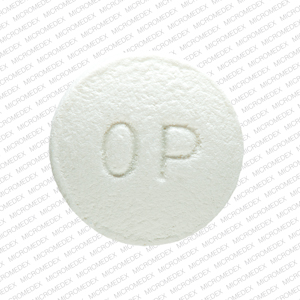
OxyContin and Alcohol/Food Interactions
There is 1 alcohol/food/lifestyle interaction with OxyContin (oxycodone).
oxyCODONE food
Major Food Interaction
Do not use alcohol or medications that contain alcohol while you are receiving treatment with oxyCODONE. This may increase nervous system side effects such as drowsiness, dizziness, lightheadedness, difficulty concentrating, and impairment in thinking and judgment. In severe cases, low blood pressure, respiratory distress, fainting, coma, or even death may occur. You may also want to avoid or limit the consumption of grapefruit and grapefruit juice, which can significantly increase the blood levels of oxycodone in some people. Talk to your doctor or pharmacist if you have questions on how to take this or other medications you are prescribed. Do not use more than the recommended dose of oxyCODONE, and avoid activities requiring mental alertness such as driving or operating hazardous machinery until you know how the medication affects you. It is important to tell your doctor about all other medications you use, including vitamins and herbs. Do not stop using any medication without first talking to your doctor.
OxyContin drug interactions
There are 586 drug interactions with OxyContin (oxycodone).
OxyContin disease interactions
There are 16 disease interactions with OxyContin (oxycodone) which include:
- impaired GI motility
- infectious diarrhea
- prematurity
- acute alcohol intoxication
- drug dependence
- hypotension
- intracranial pressure
- respiratory depression
- gastrointestinal obstruction
- adrenal insufficiency
- liver disease
- renal dysfunction
- seizure disorders
- urinary retention
- arrhythmias
- biliary tract disease
Report options

More about OxyContin (oxycodone)
- OxyContin consumer information
- Check interactions
- Compare alternatives
- Pricing & coupons
- Reviews (300)
- Drug images
- Latest FDA alerts (3)
- Side effects
- Dosage information
- Patient tips
- During pregnancy
- Support group
- Drug class: Opioids (narcotic analgesics)
- Breastfeeding
- En español
Related treatment guides
Drug Interaction Classification
| Highly clinically significant. Avoid combinations; the risk of the interaction outweighs the benefit. | |
| Moderately clinically significant. Usually avoid combinations; use it only under special circumstances. | |
| Minimally clinically significant. Minimize risk; assess risk and consider an alternative drug, take steps to circumvent the interaction risk and/or institute a monitoring plan. | |
| No interaction information available. |
Further information
Always consult your healthcare provider to ensure the information displayed on this page applies to your personal circumstances.