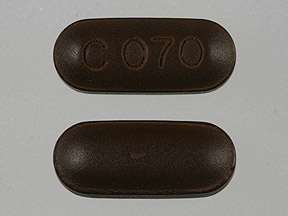
PhenazoForte Plus Interactions
There are 697 drugs known to interact with PhenazoForte Plus (butabarbital / hyoscyamine / phenazopyridine), along with 33 disease interactions, and 2 alcohol/food interactions. Of the total drug interactions, 48 are major, 621 are moderate, and 28 are minor.
- View PhenazoForte Plus alcohol/food interactions (2)
- View PhenazoForte Plus disease interactions (33)
Medications known to interact with PhenazoForte Plus
Note: Showing generic names only.
- abemaciclib
- abobotulinumtoxinA
- abrocitinib
- acalabrutinib
- acebutolol
- acetaminophen
- acetylcarbromal
- acetylcholine ophthalmic
- aclidinium
- acrivastine
- aldesleukin
- alfentanil
- alfuzosin
- alpelisib
- alprazolam
- altretamine
- amantadine
- ambenonium
- amiloride
- aminophylline
- amitriptyline
- amlodipine
- amobarbital
- amoxapine
- amprenavir
- amyl nitrite
- anisindione
- apixaban
- apomorphine
- apraclonidine ophthalmic
- apremilast
- aprepitant
- arbutamine
- aripiprazole
- armodafinil
- asenapine
- asparaginase erwinia chrysanthemi
- asparaginase escherichia coli
- atazanavir
- atenolol
- atogepant
- atorvastatin
- atropine
- avacopan
- avanafil
- avapritinib
- axitinib
- azatadine
- azilsartan medoxomil
- baclofen
- bedaquiline
- belladonna
- belumosudil
- bendamustine
- bendroflumethiazide
- benoxinate ophthalmic
- benzocaine topical
- benzthiazide
- benztropine
- bepridil
- betamethasone
- betaxolol
- bethanechol
- bexarotene
- biperiden
- bisoprolol
- black cohosh
- boceprevir
- bortezomib
- bosutinib
- brentuximab
- brexanolone
- brexpiprazole
- brigatinib
- brimonidine ophthalmic
- brimonidine topical
- brivaracetam
- bromocriptine
- brompheniramine
- budesonide
- bumetanide
- bupivacaine
- bupivacaine liposome
- buprenorphine
- bupropion
- buspirone
- butalbital
- butorphanol
- cabazitaxel
- cabozantinib
- calaspargase pegol
- calcifediol
- calcitriol
- canagliflozin
- candesartan
- cannabidiol
- cannabis
- capivasertib
- capmatinib
- captopril
- carbachol ophthalmic
- carbamazepine
- carbetapentane
- carbinoxamine
- cariprazine
- carisoprodol
- carteolol
- carvedilol
- caspofungin
- cenobamate
- ceritinib
- cetirizine
- cevimeline
- charcoal
- chlophedianol
- chloral hydrate
- chloramphenicol
- chlorcyclizine
- chlordiazepoxide
- chloroprocaine
- chloroprocaine ophthalmic
- chlorothiazide
- chlorotrianisene
- chlorphenesin
- chlorpheniramine
- chlorpromazine
- chlorthalidone
- chlorzoxazone
- cholecalciferol
- cimetidine
- cisapride
- citalopram
- clemastine
- clevidipine
- clidinium
- clobazam
- clofarabine
- clomipramine
- clonazepam
- clonidine
- clorazepate
- clozapine
- cobimetinib
- cocaine nasal
- cocaine topical
- codeine
- conjugated estrogens
- copanlisib
- corticorelin
- corticotropin
- cortisone
- cosyntropin
- crizotinib
- cyclizine
- cyclobenzaprine
- cyclosporine
- cyproheptadine
- daclizumab
- dantrolene
- dapsone topical
- daridorexant
- darifenacin
- darolutamide
- darunavir
- dasatinib
- daxibotulinumtoxinA
- delavirdine
- demecarium bromide ophthalmic
- desipramine
- desvenlafaxine
- deutetrabenazine
- dexamethasone
- dexbrompheniramine
- dexchlorpheniramine
- dexmedetomidine
- dextromethorphan
- dezocine
- diazepam
- diazoxide
- dibucaine topical
- dicumarol
- dicyclomine
- difelikefalin
- digitoxin
- digoxin
- dihydroergotamine
- dihydrotachysterol
- diltiazem
- dimenhydrinate
- diphenhydramine
- disopyramide
- divalproex sodium
- docetaxel
- dolutegravir
- donepezil
- doravirine
- doxazosin
- doxepin
- doxepin topical
- doxercalciferol
- doxorubicin
- doxorubicin liposomal
- doxycycline
- doxylamine
- dronabinol
- dronedarone
- droperidol
- drospirenone
- duloxetine
- duvelisib
- echothiophate iodide ophthalmic
- edrophonium
- efavirenz
- elacestrant
- elagolix
- eliglustat
- eluxadoline
- enalapril
- enalaprilat
- encorafenib
- enfortumab vedotin
- entacapone
- entrectinib
- enzalutamide
- eprosartan
- ergocalciferol
- ergonovine
- ergotamine
- erlotinib
- escitalopram
- esketamine
- eslicarbazepine
- esmolol
- estazolam
- esterified estrogens
- estradiol
- estradiol topical
- estrone
- estropipate
- eszopiclone
- ethanol
- ethinyl estradiol
- ethosuximide
- ethotoin
- etidocaine
- etonogestrel
- etravirine
- everolimus
- exemestane
- ezogabine
- felbamate
- felodipine
- fenfluramine
- fenoprofen
- fentanyl
- fesoterodine
- finerenone
- flavoxate
- flibanserin
- fludrocortisone
- fluoxetine
- fluphenazine
- flurazepam
- fluvoxamine
- fosamprenavir
- fosaprepitant
- fosinopril
- fosphenytoin
- fospropofol
- fostamatinib
- fostemsavir
- furazolidone
- furosemide
- gabapentin
- gabapentin enacarbil
- galantamine
- ganaxolone
- gefitinib
- gepirone
- gilteritinib
- glasdegib
- glycopyrrolate
- glycopyrronium topical
- griseofulvin
- guanethidine
- guanfacine
- guanidine
- halazepam
- haloperidol
- hemin
- heroin
- hydralazine
- hydrochlorothiazide
- hydrocodone
- hydrocortisone
- hydroflumethiazide
- hydromorphone
- hydroxyprogesterone
- hydroxyzine
- ibrutinib
- idelalisib
- ifosfamide
- iloperidone
- imatinib
- imipramine
- incobotulinumtoxinA
- indapamide
- indinavir
- infigratinib
- interferon beta-1a
- interferon beta-1b
- ipratropium
- ipratropium nasal
- irbesartan
- irinotecan
- irinotecan liposomal
- isavuconazonium
- isocarboxazid
- isoflurophate ophthalmic
- isoniazid
- isosorbide dinitrate
- isosorbide mononitrate
- isradipine
- ivabradine
- ivacaftor
- ixabepilone
- ixazomib
- labetalol
- lamotrigine
- lapatinib
- larotrectinib
- lasmiditan
- lefamulin
- leflunomide
- lemborexant
- lenacapavir
- leniolisib
- lesinurad
- letibotulinumtoxinA
- levamlodipine
- levetiracetam
- levobupivacaine
- levocetirizine
- levodopa
- levoketoconazole
- levomethadyl acetate
- levonorgestrel
- levorphanol
- levothyroxine
- levothyroxine / liothyronine
- lidocaine
- lidocaine ophthalmic
- lidocaine otic
- lidocaine topical
- linagliptin
- linezolid
- liothyronine
- liotrix
- lisinopril
- lithium
- lofexidine
- lomitapide
- lonafarnib
- loperamide
- lorazepam
- losartan
- loxapine
- lumateperone
- lurasidone
- lurbinectedin
- macimorelin
- macitentan
- maprotiline
- maraviroc
- maribavir
- mavacamten
- meclizine
- medroxyprogesterone
- mefloquine
- megestrol
- melatonin
- mepenzolate
- meperidine
- mephenytoin
- mepivacaine
- mesoridazine
- metaxalone
- methadone
- methdilazine
- methocarbamol
- methohexital
- methotrexate
- methotrimeprazine
- methoxyflurane
- methscopolamine
- methsuximide
- methyclothiazide
- methyldopa
- methylene blue
- methylergonovine
- methylprednisolone
- methysergide maleate
- metoclopramide
- metolazone
- metoprolol
- metronidazole
- metyrosine
- mibefradil
- midazolam
- midostaurin
- mifepristone
- minoxidil
- mipomersen
- mirabegron
- mirtazapine
- mitotane
- mobocertinib
- modafinil
- moexipril
- molindone
- montelukast
- morphine
- morphine liposomal
- nabilone
- nadolol
- nalbuphine
- naloxegol
- naltrexone
- nebivolol
- nefazodone
- nelfinavir
- neostigmine
- nicardipine
- nifedipine
- nilotinib
- nimodipine
- nirogacestat
- nisoldipine
- nitisinone
- nitrofurantoin
- nitroglycerin
- nitroprusside
- norethindrone
- norgestrel
- nortriptyline
- olanzapine
- olaparib
- oliceridine
- olmesartan
- olopatadine nasal
- olutasidenib
- omaveloxolone
- onabotulinumtoxinA
- opicapone
- opium
- orphenadrine
- osilodrostat
- osimertinib
- oxazepam
- oxcarbazepine
- oxtriphylline
- oxybutynin
- oxycodone
- oxymorphone
- ozanimod
- paclitaxel
- paclitaxel protein-bound
- palbociclib
- paliperidone
- palovarotene
- panobinostat
- papaverine
- paraldehyde
- paramethadione
- paricalcitol
- paroxetine
- pazopanib
- pegaspargase
- peginterferon beta-1a
- pemigatinib
- penbutolol
- pentazocine
- pentobarbital
- perampanel
- pergolide
- perindopril
- perphenazine
- pexidartinib
- phenacemide
- phenelzine
- phenindamine
- phenobarbital
- phenoxybenzamine
- phensuximide
- phentolamine
- phenylephrine
- phenylephrine ophthalmic
- phenytoin
- physostigmine
- physostigmine ophthalmic
- pilocarpine
- pilocarpine ophthalmic
- pimavanserin
- pimozide
- pindolol
- pirtobrutinib
- polythiazide
- ponatinib
- potassium chloride
- potassium citrate
- prabotulinumtoxinA
- pramipexole
- pramlintide
- praziquantel
- prazosin
- prednisolone
- prednisone
- pregabalin
- primidone
- procaine
- procaine penicillin
- procarbazine
- prochlorperazine
- procyclidine
- progesterone
- progesterone topical
- promazine
- promethazine
- propafenone
- propantheline
- proparacaine ophthalmic
- propiomazine
- propofol
- propoxyphene
- propranolol
- protriptyline
- prucalopride
- pyridostigmine
- pyridoxine
- pyrilamine
- ramelteon
- ramipril
- ranolazine
- rasagiline
- relugolix
- remdesivir
- remifentanil
- remimazolam
- repaglinide
- repotrectinib
- revefenacin
- ribociclib
- rifampin
- rilpivirine
- rimabotulinumtoxinB
- riociguat
- ripretinib
- risperidone
- ritlecitinib
- ritonavir
- rivaroxaban
- rivastigmine
- rolapitant
- ropeginterferon alfa-2b
- ropinirole
- ropivacaine
- rotigotine
- rufinamide
- ruxolitinib
- safinamide
- saquinavir
- saxagliptin
- scopolamine
- secobarbital
- secretin
- selegiline
- selpercatinib
- selumetinib
- sertraline
- sibutramine
- sildenafil
- silodosin
- silver nitrate topical
- silver sulfadiazine topical
- sirolimus
- sirolimus protein-bound
- sodium nitrite
- sodium oxybate
- solifenacin
- sonidegib
- sorafenib
- sotalol
- sotorasib
- sparsentan
- spironolactone
- st. john's wort
- stiripentol
- sufentanil
- sunitinib
- suvorexant
- tacrine
- tacrolimus
- tadalafil
- tamoxifen
- tamsulosin
- tapentadol
- tasimelteon
- tazemetostat
- telaprevir
- telithromycin
- telmisartan
- temazepam
- temsirolimus
- tepotinib
- terazosin
- teriflunomide
- tetrabenazine
- tetracaine
- tetracaine ophthalmic
- tetracaine topical
- thalidomide
- theophylline
- thiethylperazine
- thioguanine
- thioridazine
- thiothixene
- thyroid desiccated
- tiagabine
- ticagrelor
- timolol
- tinidazole
- tiotropium
- tipranavir
- tirzepatide
- tizanidine
- tofacitinib
- tolcapone
- tolterodine
- tolvaptan
- topiramate
- toremifene
- torsemide
- trabectedin
- tramadol
- trandolapril
- tranylcypromine
- trazodone
- triamcinolone
- triamterene
- triazolam
- trichlormethiazide
- trifluoperazine
- triflupromazine
- trihexyphenidyl
- trimeprazine
- trimethadione
- trimethaphan camsylate
- trimethobenzamide
- trimipramine
- tripelennamine
- triprolidine
- trospium
- tucatinib
- valbenazine
- valerian
- valoctocogene roxaparvovec
- valproic acid
- valsartan
- vemurafenib
- venetoclax
- venlafaxine
- verapamil
- vigabatrin
- vilazodone
- voriconazole
- vortioxetine
PhenazoForte Plus alcohol/food interactions
There are 2 alcohol/food interactions with PhenazoForte Plus (butabarbital / hyoscyamine / phenazopyridine).
PhenazoForte Plus disease interactions
There are 33 disease interactions with PhenazoForte Plus (butabarbital / hyoscyamine / phenazopyridine) which include:
- autonomic neuropathy
- GI obstruction
- glaucoma
- obstructive uropathy
- reactive airway diseases
- myasthenia gravis
- infectious diarrhea
- acute alcohol intoxication
- drug dependence
- liver disease
- porphyria
- rash
- respiratory depression
- G-6-PD deficiency
- hepatitis
- renal dysfunction
- cardiac disease
- tachycardia
- coronary artery disease
- gastric ulcer
- gastroesophageal reflux
- ulcerative colitis
- liver disease
- renal failure
- adrenal insufficiency
- depression
- hematologic toxicity
- osteomalacia
- paradoxical reactions
- hypertension
- hyperthyroidism
- diarrhea
- fever
Report options

Drug Interaction Classification
| Highly clinically significant. Avoid combinations; the risk of the interaction outweighs the benefit. | |
| Moderately clinically significant. Usually avoid combinations; use it only under special circumstances. | |
| Minimally clinically significant. Minimize risk; assess risk and consider an alternative drug, take steps to circumvent the interaction risk and/or institute a monitoring plan. | |
| No interaction information available. |
Further information
Always consult your healthcare provider to ensure the information displayed on this page applies to your personal circumstances.