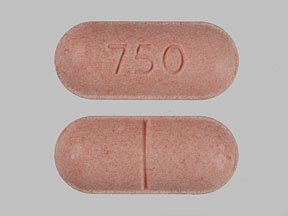
Slo-Niacin Disease Interactions
There are 5 disease interactions with Slo-Niacin (niacin).
Niacin/niacinamide (applies to Slo-Niacin) liver disease/hepatotoxicity
Major Potential Hazard, High plausibility. Applicable conditions: Alcoholism, Gallbladder Disease
The use of nicotinic acid and its derivatives is contraindicated in patients with significant or unexplained liver disease. Hepatotoxicity, including biochemical abnormalities of liver function, cholestatic jaundice, increased prothrombin time, and fulminant hepatic necrosis and failure, has been reported during therapy with niacin and niacinamide (nicotinamide), particularly in patients who have substituted sustained-release nicotinic acid products for immediate-release preparations at equivalent dosages. Treatment using pharmacologic dosages (e.g., lipid-lowering dosages) of these agents should be administered cautiously in patients with gallbladder disease or a history of jaundice, liver disease and/or heavy alcohol use. Liver transaminase levels should be evaluated prior to initiation of therapy, every 6 to 12 weeks for the first year, and periodically thereafter (e.g., semiannually). Patients who develop elevated ALT or AST levels during therapy should be monitored until abnormalities resolve. If an increase above 3 times the upper limit of normal persists, therapy should be withdrawn. Liver biopsy should be considered in patients with elevations that persist beyond cessation of therapy.
References
- "Product Information. Niacin (niacin)." 21st Century Healthcare Inc (2017):
Niacin/niacinamide (applies to Slo-Niacin) peptic ulcer disease
Major Potential Hazard, High plausibility. Applicable conditions: History - Peptic Ulcer
The use of niacin and niacinamide (nicotinamide) is contraindicated in patients with active peptic ulcer disease. These agents have been reported to activate peptic ulcer. Treatment should be administered cautiously in patients with a history of peptic ulcer disease. Close observation is advised.
References
- "Product Information. Niacin (niacin)." 21st Century Healthcare Inc (2017):
Niacin/niacinamide (applies to Slo-Niacin) hyperglycemia
Moderate Potential Hazard, Moderate plausibility. Applicable conditions: Diabetes Mellitus
Elevated fasting blood sugars and decreased glucose tolerance have been reported during niacin and niacinamide (nicotinamide) therapy. Patients with diabetes mellitus should be monitored closely during therapy with these agents, and adjustments made accordingly in their antidiabetic regimen.
References
- "Product Information. Niacin (niacin)." 21st Century Healthcare Inc (2017):
Niacin/niacinamide (applies to Slo-Niacin) hyperuricemia
Moderate Potential Hazard, Moderate plausibility. Applicable conditions: Gout
Niacin and niacinamide (nicotinamide) can compete with uric acid for excretion by the kidney. Hyperuricemia and precipitation of gout have been reported during long-term therapy. Treatment using pharmacologic dosages (e.g., lipid-lowering dosages) of these agents should be administered cautiously in patients with or predisposed to gout.
References
- "Product Information. Niacin (niacin)." 21st Century Healthcare Inc (2017):
Niacin/niacinamide (applies to Slo-Niacin) unstable angina
Moderate Potential Hazard, Moderate plausibility. Applicable conditions: Angina Pectoris
Caution is advised when niacin is used in patients with unstable angina or in the acute phase of myocardial infarction, especially when the patients are also receiving vasoactive drugs such as nitrates, calcium channel blockers, or adrenergic blocking agents.
References
- "Product Information. Niacin (niacin)." 21st Century Healthcare Inc (2017):
Slo-Niacin drug interactions
There are 104 drug interactions with Slo-Niacin (niacin).
Slo-Niacin alcohol/food interactions
There are 2 alcohol/food interactions with Slo-Niacin (niacin).
Report options

More about Slo-Niacin (niacin)
- Slo-Niacin consumer information
- Check interactions
- Compare alternatives
- Reviews (3)
- Drug images
- Side effects
- Dosage information
- During pregnancy
- Drug class: miscellaneous antihyperlipidemic agents
- En español
Related treatment guides
Drug Interaction Classification
| Highly clinically significant. Avoid combinations; the risk of the interaction outweighs the benefit. | |
| Moderately clinically significant. Usually avoid combinations; use it only under special circumstances. | |
| Minimally clinically significant. Minimize risk; assess risk and consider an alternative drug, take steps to circumvent the interaction risk and/or institute a monitoring plan. | |
| No interaction information available. |
Further information
Always consult your healthcare provider to ensure the information displayed on this page applies to your personal circumstances.