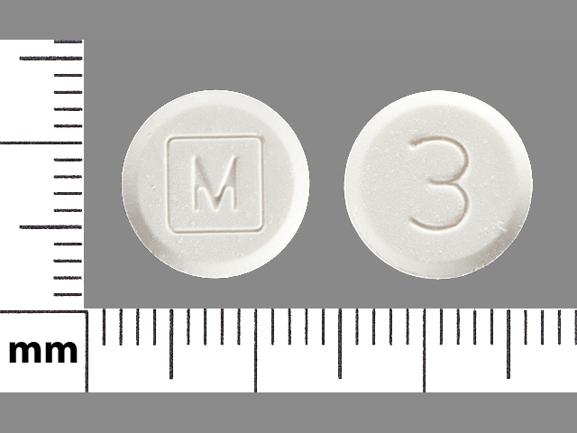
Acetaminophen/codeine Disease Interactions
There are 19 disease interactions with acetaminophen / codeine.
- Alcoholism
- Liver disease
- Impaired GI motility
- Infectious diarrhea
- Prematurity
- Acute alcohol intoxication
- Drug dependence
- Hypotension
- Intracranial pressure
- Respiratory depression
- Gastrointestinal obstruction
- PKU
- Adrenal insufficiency
- Liver disease
- Renal dysfunction
- Seizure disorders
- Urinary retention
- Arrhythmias
- Biliary tract disease
Acetaminophen (applies to acetaminophen/codeine) alcoholism
Major Potential Hazard, High plausibility.
Chronic alcohol abusers may be at increased risk of hepatotoxicity during treatment with acetaminophen (APAP). Severe liver injury, including cases of acute liver failure resulting in liver transplant and death, has been reported in patients using acetaminophen. Therapy with acetaminophen should be administered cautiously, if at all, in patients who consume three or more alcoholic drinks a day. In general, patients should avoid drinking alcohol while taking acetaminophen-containing medications. Patients should be warned not to exceed the maximum recommended total daily dosage of acetaminophen (4 g/day in adults and children 12 years of age or older), and to read all prescription and over-the-counter medication labels to ensure they are not taking multiple acetaminophen-containing products, or check with a healthcare professional if they are unsure. They should also be advised to seek medical attention if they experience signs and symptoms of liver injury such as fever, rash, anorexia, nausea, vomiting, fatigue, right upper quadrant pain, dark urine, and jaundice.
References
- Kaysen GA, Pond SM, Roper MH, Menke DJ, Marrama MA "Combined hepatic and renal injury in alcoholics during therapeutic use of acetaminophen." Arch Intern Med 145 (1985): 2019-23
- O'Dell JR, Zetterman RK, Burnett DA "Centrilobular hepatic fibrosis following acetaminophen-induced hepatic necrosis in an alcoholic." JAMA 255 (1986): 2636-7
- Seeff LB, Cuccherini BA, Zimmerman HJ, Adler E, Benjamin SB "Acetaminophen hepatotoxicity in alcoholics." Ann Intern Med 104 (1986): 399-404
- McClain CJ, Kromhout JP, Peterson FJ, Holtzman JL "Potentiation of acetaminophen hepatotoxicity by alcohol." JAMA 244 (1980): 251-3
- Kartsonis A, Reddy KR, Schiff ER "Alcohol, acetaminophen, and hepatic necrosis." Ann Intern Med 105 (1986): 138-9
- Prescott LF, Critchley JA "Drug interactions affecting analgesic toxicity." Am J Med 75 (1983): 113-6
- "Product Information. Tylenol (acetaminophen)." McNeil Pharmaceutical PROD (2002):
- Whitcomb DC, Block GD "Association of acetaminopphen hepatotoxicity with fasting and ethanol use." JAMA 272 (1994): 1845-50
- Bonkovsky HL "Acetaminophen hepatotoxicity, fasting, and ethanol." JAMA 274 (1995): 301
- Nelson EB, Temple AR "Acetaminophen hepatotoxicity, fasting, and ethanol." JAMA 274 (1995): 301
- Zimmerman HJ, Maddrey WC "Acetaminophen (paracetamol) hepatotoxicity with regular intake of alcohol: analysis of instances of therapeutic misadventure." Hepatology 22 (1995): 767-73
Acetaminophen (applies to acetaminophen/codeine) liver disease
Major Potential Hazard, Moderate plausibility. Applicable conditions: Malnourished, Dehydration
Acetaminophen is contraindicated in patients with severe hepatic impairment or severe active liver disease. Patients with hepatic impairment may be at increased risk of toxicity. Severe liver injury, including cases of acute liver failure and death, have been reported in patients using this drug. Clinical monitoring of hepatic function is recommended. Caution is advised if using acetaminophen in patients with chronic malnutrition or severe hypovolemia. Instruct patients to avoid drinking alcohol while taking acetaminophen-containing medications. Patients should be warned not to exceed the maximum recommended total daily dosage of acetaminophen (4 g/day in adults and children 12 years of age or older), and to read all prescription and over-the-counter medication labels to ensure they are not taking multiple acetaminophen-containing products, or check with a healthcare professional if they are unsure.
References
- "Product Information. Tylenol (acetaminophen)." McNeil Pharmaceutical PROD (2002):
- "Product Information. Acetaminophen (acetaminophen)." Hikma Pharmaceuticals USA Inc. ORIG-1 (2022):
Narcotic analgesics (applies to acetaminophen/codeine) impaired GI motility
Major Potential Hazard, Moderate plausibility. Applicable conditions: Constipation, Gastrointestinal Obstruction, Inflammatory Bowel Disease, Intestinal Anastomoses
Narcotic (opioid) analgesic agents increase smooth muscle tone in the gastrointestinal tract and decrease peristalsis, which can lead to elevated intraluminal pressure, spasm, and constipation following prolonged use. In patients with severe or acute inflammatory bowel disease, the decrease in colonic motility may induce toxic megacolon. Therapy with opioids should be administered cautiously in patients with gastrointestinal obstruction, constipation, inflammatory bowel disease, or recent gastrointestinal tract surgery. Gastrointestinal effects appear to be the most pronounced with morphine.
References
- "Product Information. Calcidrine (codeine)." Abbott Pharmaceutical PROD (2002):
- "Product Information. Demerol (meperidine)." Sanofi Winthrop Pharmaceuticals PROD (2002):
- "Product Information. Dolophine (methadone)." Lilly, Eli and Company PROD (2002):
- "Product Information. MS Contin (morphine)." Purdue Frederick Company PROD (2002):
- "Product Information. Levo-Dromoran (levorphanol)." Roche Laboratories PROD (2001):
- "Product Information. Dilaudid (hydromorphone)." Knoll Pharmaceutical Company PROD (2001):
- "Product Information. Darvon (propoxyphene)." Lilly, Eli and Company PROD (2001):
- "Product Information. Duragesic Transdermal System (fentanyl)." Janssen Pharmaceutica, Titusville, NJ.
- "Product Information. Fentanyl Oralet (fentanyl)." Abbott Pharmaceutical, Abbott Park, IL.
- "Product Information. OxyContin (oxycodone)." Purdue Frederick Company PROD (2001):
- "Product Information. Kadian (morphine)." Astra-Zeneca Pharmaceuticals PROD (2001):
- "Product Information. Vicoprofen (hydrocodone-ibuprofen)." Knoll Pharmaceutical Company PROD (2001):
- "Product Information. Stadol (butorphanol nasal)." Bristol-Myers Squibb PROD (2001):
- "Product Information. Nubain (nalbuphine)." Endo Laboratories LLC PROD (2001):
- "Product Information. Talwin NX (pentazocine)." Sanofi Winthrop Pharmaceuticals PROD (2001):
- "Product Information. Stadol (butorphanol)." Allscrips Pharmaceutical Company PROD (2001):
- "Product Information. Dalgan (dezocine)." Astra-Zeneca Pharmaceuticals PROD (2001):
- "Product Information. Opium (opium)." Lilly, Eli and Company (2022):
- "Product Information. Numorphan (oxymorphone)." Endo Laboratories LLC PROD (2001):
- "Product Information. Orlaam (levomethadyl acetate)." Roxane Laboratories Inc PROD (2001):
- "Product Information. Nucynta (tapentadol)." PriCara Pharmaceuticals (2009):
Narcotic analgesics (applies to acetaminophen/codeine) infectious diarrhea
Major Potential Hazard, Moderate plausibility. Applicable conditions: Infectious Diarrhea/Enterocolitis/Gastroenteritis
Narcotic (opioid) analgesic agents may prolong and/or worsen diarrhea associated with organisms that invade the intestinal mucosa, such as toxigenic Escherichia coli, Salmonella, Shigella, and pseudomembranous colitis due to broad-spectrum antibiotics. These agents decrease gastrointestinal motility, which may delay the excretion of infective gastroenteric organisms and/or their toxins. Other symptoms and complications such as fever, shedding of organisms, and extraintestinal illness may also be increased or prolonged. Therapy with opioids should be avoided or administered cautiously in patients with infectious diarrhea, particularly that due to pseudomembranous enterocolitis or enterotoxin-producing bacteria or if accompanied by high fever, pus, or blood in the stool.
References
- "Product Information. Calcidrine (codeine)." Abbott Pharmaceutical PROD (2002):
- "Product Information. Demerol (meperidine)." Sanofi Winthrop Pharmaceuticals PROD (2002):
- "Product Information. Dolophine (methadone)." Lilly, Eli and Company PROD (2002):
- "Product Information. MS Contin (morphine)." Purdue Frederick Company PROD (2002):
- "Product Information. Levo-Dromoran (levorphanol)." Roche Laboratories PROD (2001):
- "Product Information. Dilaudid (hydromorphone)." Knoll Pharmaceutical Company PROD (2001):
- "Product Information. Darvon (propoxyphene)." Lilly, Eli and Company PROD (2001):
- "Product Information. Duragesic Transdermal System (fentanyl)." Janssen Pharmaceutica, Titusville, NJ.
- "Product Information. Fentanyl Oralet (fentanyl)." Abbott Pharmaceutical, Abbott Park, IL.
- "Product Information. OxyContin (oxycodone)." Purdue Frederick Company PROD (2001):
- "Product Information. Kadian (morphine)." Astra-Zeneca Pharmaceuticals PROD (2001):
- "Product Information. Vicoprofen (hydrocodone-ibuprofen)." Knoll Pharmaceutical Company PROD (2001):
- "Product Information. Stadol (butorphanol nasal)." Bristol-Myers Squibb PROD (2001):
- "Product Information. Nubain (nalbuphine)." Endo Laboratories LLC PROD (2001):
- "Product Information. Talwin NX (pentazocine)." Sanofi Winthrop Pharmaceuticals PROD (2001):
- "Product Information. Stadol (butorphanol)." Allscrips Pharmaceutical Company PROD (2001):
- "Product Information. Dalgan (dezocine)." Astra-Zeneca Pharmaceuticals PROD (2001):
- "Product Information. Opium (opium)." Lilly, Eli and Company (2022):
- "Product Information. Numorphan (oxymorphone)." Endo Laboratories LLC PROD (2001):
- "Product Information. Orlaam (levomethadyl acetate)." Roxane Laboratories Inc PROD (2001):
- "Product Information. Nucynta (tapentadol)." PriCara Pharmaceuticals (2009):
Narcotic analgesics (applies to acetaminophen/codeine) prematurity
Major Potential Hazard, Moderate plausibility. Applicable conditions: Prematurity/Underweight in Infancy
The use of narcotic (opioid) analgesic agents is contraindicated in premature infants. These agents may cross the immature blood-brain barrier to a greater extent than in adults, resulting in disproportionate respiratory depression.
References
- "Product Information. Calcidrine (codeine)." Abbott Pharmaceutical PROD (2002):
Opiate agonists (applies to acetaminophen/codeine) acute alcohol intoxication
Major Potential Hazard, High plausibility.
The use of opiate agonists is contraindicated in patients with acute alcohol intoxication exhibiting depressed vital signs. The central nervous system depressant effects of opiate agonists may be additive with those of alcohol. Severe respiratory depression and death may occur. Therapy with opiate agonists should be administered cautiously in patients who might be prone to acute alcohol intake.
References
- "Product Information. Calcidrine (codeine)." Abbott Pharmaceutical PROD (2002):
- "Product Information. Demerol (meperidine)." Sanofi Winthrop Pharmaceuticals PROD (2002):
- "Product Information. Dolophine (methadone)." Lilly, Eli and Company PROD (2002):
- "Product Information. MS Contin (morphine)." Purdue Frederick Company PROD (2002):
- "Product Information. Levo-Dromoran (levorphanol)." Roche Laboratories PROD (2001):
- "Product Information. Dilaudid (hydromorphone)." Knoll Pharmaceutical Company PROD (2001):
- "Multum Information Services, Inc. Expert Review Panel"
- "Product Information. Darvon (propoxyphene)." Lilly, Eli and Company PROD (2001):
- "Product Information. Duragesic Transdermal System (fentanyl)." Janssen Pharmaceutica, Titusville, NJ.
- "Product Information. Sublimaze (fentanyl)." Janssen Pharmaceuticals PROD (2001):
- "Product Information. OxyContin (oxycodone)." Purdue Frederick Company PROD (2001):
- "Product Information. Kadian (morphine)." Astra-Zeneca Pharmaceuticals PROD (2001):
- "Product Information. Vicoprofen (hydrocodone-ibuprofen)." Knoll Pharmaceutical Company PROD (2001):
- "Product Information. Opium (opium)." Lilly, Eli and Company (2022):
- "Product Information. Numorphan (oxymorphone)." Endo Laboratories LLC PROD (2001):
- "Product Information. Nucynta (tapentadol)." PriCara Pharmaceuticals (2009):
Opiate agonists (applies to acetaminophen/codeine) drug dependence
Major Potential Hazard, High plausibility. Applicable conditions: Alcoholism, Drug Abuse/Dependence
Opiate agonists have the potential to cause dependence and abuse. Tolerance as well as physical and psychological dependence can develop after prolonged use. Abrupt cessation, reduction in dosage, or administration of an opiate antagonist such as naloxone may precipitate withdrawal symptoms. In patients who have developed tolerance to an opiate agonist, overdosage can still produce respiratory depression and death, and cross-tolerance usually will occur with other agents in the class. Addiction-prone individuals, such as those with a history of alcohol or substance abuse, should be under careful surveillance or medical supervision when treated with opiate agonists. It may be prudent to refrain from dispensing large quantities of medication to these patients. After prolonged use or if dependency is suspected, withdrawal of opiate therapy should be undertaken gradually using a dosage-tapering schedule.
References
- Fishbain DA, Goldberg M, Rosomoff RS, Rosomoff H "Atypical withdrawal syndrome (organic delusional syndrome) secondary to oxycodone detoxification ." J Clin Psychopharmacol 8 (1988): 441-2
- "Product Information. Calcidrine (codeine)." Abbott Pharmaceutical PROD (2002):
- "Product Information. Demerol (meperidine)." Sanofi Winthrop Pharmaceuticals PROD (2002):
- "Product Information. Dolophine (methadone)." Lilly, Eli and Company PROD (2002):
- "Product Information. MS Contin (morphine)." Purdue Frederick Company PROD (2002):
- Miser AW, Chayt KJ, Sandlund JT, Cohen PS, Dothage JA, Miser JS "Narcotic withdrawal syndrome in young adults after the therapeutic use of opiates." Am J Dis Child 140 (1986): 603-4
- "Product Information. Levo-Dromoran (levorphanol)." Roche Laboratories PROD (2001):
- Morrison AB "Toxicity and abuse of hydrocodone bitartrate." Can Med Assoc J 120 (1979): 1338
- "Product Information. Dilaudid (hydromorphone)." Knoll Pharmaceutical Company PROD (2001):
- Azorlosa JL, Stitzer ML, Greenwald MK "Opioid physical dependence development - effects of single versus repeated morphine pretreatments and of subjects opioid exposure history." Psychopharmacology (Berl) 114 (1994): 71-80
- Strode SW "Propoxyphene dependence and withdrawal." Am Fam Physician 32 (1985): 105-8
- Wall R, Linford SM, Akhter MI "Addiction to Distalgesic (dextropropoxyphene)." Br Med J 280 (1980): 1213-4
- Salguero CH, Villarreal JE, Hug CC Jr, Domino EF "Propoxyphene dependence." JAMA 210 (1969): 135-6
- Claghorn JL, Schoolar JC "Propoxyphene hydrochloride, a drug of abuse." JAMA 196 (1966): 1089-91
- Whittington RM "Dextropropoxyphene addiction." Lancet 2 (1979): 743-4
- Collins GB, Kiefer KS "Propoxyphene dependence: an update." Postgrad Med 70 (1981): 57-61
- Ng B, Alvear M "Dextropropoxyphene addiction--a drug of primary abuse." Am J Drug Alcohol Abuse 19 (1993): 153-8
- "Product Information. Darvon (propoxyphene)." Lilly, Eli and Company PROD (2001):
- "Product Information. Duragesic Transdermal System (fentanyl)." Janssen Pharmaceutica, Titusville, NJ.
- "Product Information. Sublimaze (fentanyl)." Janssen Pharmaceuticals PROD (2001):
- Hedenmalm K "A case of severe withdrawal syndrome due to dextropropoxyphene." Ann Intern Med 123 (1995): 473
- "Product Information. OxyContin (oxycodone)." Purdue Frederick Company PROD (2001):
- "Product Information. Kadian (morphine)." Astra-Zeneca Pharmaceuticals PROD (2001):
- "Product Information. Vicoprofen (hydrocodone-ibuprofen)." Knoll Pharmaceutical Company PROD (2001):
- "Product Information. Opium (opium)." Lilly, Eli and Company (2022):
- "Product Information. Numorphan (oxymorphone)." Endo Laboratories LLC PROD (2001):
- "Product Information. Nucynta (tapentadol)." PriCara Pharmaceuticals (2009):
Opiate agonists (applies to acetaminophen/codeine) hypotension
Major Potential Hazard, Moderate plausibility. Applicable conditions: Shock, Dehydration
Opiate agonists can induce vasodilation and significant hypotension, particularly when given in high dosages and/or by rapid intravenous administration. Opiate analgesics cause vasodilatation that may exacerbate hypotension and hypoperfusion and, therefore, are contraindicated in circulatory shock. At therapeutic analgesic dosages, ambulatory patients are more likely to experience dizziness and hypotension than patients who are confined to bed. However, orthostatic hypotension may occur in supine patients upon rising. Therapy with opiate agonists should be administered cautiously and initiated at reduced dosages in patients with hypovolemia, or a predisposition to hypotension. When given by intramuscular or subcutaneous administration, clinicians should also be aware that impaired perfusion in these patients may prevent complete absorption of the drug. With repeated injections, an excessive amount may be absorbed suddenly if normal circulation is reestablished.
References
- Parke TJ, Nandi PR, Bird KJ, Jewkes DA "Profound hypotension following intravenous codeine phosphate: three case reports and some recommendations." Anaesthesia 47 (1992): 852-4
- "Product Information. Calcidrine (codeine)." Abbott Pharmaceutical PROD (2002):
- "Product Information. Demerol (meperidine)." Sanofi Winthrop Pharmaceuticals PROD (2002):
- "Product Information. Dolophine (methadone)." Lilly, Eli and Company PROD (2002):
- "Product Information. MS Contin (morphine)." Purdue Frederick Company PROD (2002):
- "Product Information. Levo-Dromoran (levorphanol)." Roche Laboratories PROD (2001):
- Sebel PS, Bovill JG, Boekhorst RA, Rog N "Cardiovascular effects of high-dose fentanyl anaesthesia." Acta Anaesthesiol Scand 26 (1982): 308-15
- "Product Information. Dilaudid (hydromorphone)." Knoll Pharmaceutical Company PROD (2001):
- "Product Information. Darvon (propoxyphene)." Lilly, Eli and Company PROD (2001):
- "Product Information. Duragesic Transdermal System (fentanyl)." Janssen Pharmaceutica, Titusville, NJ.
- "Product Information. Sublimaze (fentanyl)." Janssen Pharmaceuticals PROD (2001):
- "Product Information. Fentanyl Oralet (fentanyl)." Abbott Pharmaceutical, Abbott Park, IL.
- American Medical Association, Division of Drugs and Toxicology "Drug evaluations annual 1994." Chicago, IL: American Medical Association; (1994):
- Cox RG "Hypoxaemia and hypotension after intravenous codeine phosphate." Can J Anaesth 41 (1994): 1211-3
- "Product Information. Alfenta (alfentanil)." Janssen Pharmaceuticals PROD (2001):
- "Product Information. Sufenta (sufentanil)." Janssen Pharmaceuticals PROD (2001):
- "Product Information. OxyContin (oxycodone)." Purdue Frederick Company PROD (2001):
- "Product Information. Ultiva (remifentanil)." Mylan Institutional (formally Bioniche Pharma USA Inc) PROD (2001):
- "Product Information. Kadian (morphine)." Astra-Zeneca Pharmaceuticals PROD (2001):
- "Product Information. Vicoprofen (hydrocodone-ibuprofen)." Knoll Pharmaceutical Company PROD (2001):
- "Product Information. Opium (opium)." Lilly, Eli and Company (2022):
- "Product Information. Numorphan (oxymorphone)." Endo Laboratories LLC PROD (2001):
- "Product Information. Orlaam (levomethadyl acetate)." Roxane Laboratories Inc PROD (2001):
- "Product Information. DepoDur (morphine liposomal)." Endo Laboratories LLC (2004):
- "Product Information. Nucynta (tapentadol)." PriCara Pharmaceuticals (2009):
- "Product Information. Apadaz (acetaminophen-benzhydrocodone)." KemPharm, Inc (2018):
Opiate agonists (applies to acetaminophen/codeine) intracranial pressure
Major Potential Hazard, Moderate plausibility. Applicable conditions: Head Injury, Brain/Intracranial Tumor, Cerebral Vascular Disorder
The hypoventilation associated with administration of opiate agonists, particularly by the intravenous route, can induce cerebral hypoxia and vasodilatation with resultant increase in intracranial pressure. Opiate agonists should not be used in patients with suspected or known head injury or increased intracranial pressure. Also, clinicians treating such patients should be aware that opiate agonists may interfere with the evaluation of CNS function, especially with respect to consciousness levels, respiratory status, and pupillary changes.
References
- "Product Information. Calcidrine (codeine)." Abbott Pharmaceutical PROD (2002):
- "Product Information. Demerol (meperidine)." Sanofi Winthrop Pharmaceuticals PROD (2002):
- "Product Information. Dolophine (methadone)." Lilly, Eli and Company PROD (2002):
- "Product Information. MS Contin (morphine)." Purdue Frederick Company PROD (2002):
- "Product Information. Levo-Dromoran (levorphanol)." Roche Laboratories PROD (2001):
- "Product Information. Dilaudid (hydromorphone)." Knoll Pharmaceutical Company PROD (2001):
- "Product Information. Darvon (propoxyphene)." Lilly, Eli and Company PROD (2001):
- "Product Information. Duragesic Transdermal System (fentanyl)." Janssen Pharmaceutica, Titusville, NJ.
- "Product Information. Sublimaze (fentanyl)." Janssen Pharmaceuticals PROD (2001):
- "Product Information. Fentanyl Oralet (fentanyl)." Abbott Pharmaceutical, Abbott Park, IL.
- American Medical Association, Division of Drugs and Toxicology "Drug evaluations annual 1994." Chicago, IL: American Medical Association; (1994):
- "Product Information. Alfenta (alfentanil)." Janssen Pharmaceuticals PROD (2001):
- "Product Information. Sufenta (sufentanil)." Janssen Pharmaceuticals PROD (2001):
- "Product Information. OxyContin (oxycodone)." Purdue Frederick Company PROD (2001):
- "Product Information. Ultiva (remifentanil)." Mylan Institutional (formally Bioniche Pharma USA Inc) PROD (2001):
- "Product Information. Kadian (morphine)." Astra-Zeneca Pharmaceuticals PROD (2001):
- "Product Information. Vicoprofen (hydrocodone-ibuprofen)." Knoll Pharmaceutical Company PROD (2001):
- "Product Information. Opium (opium)." Lilly, Eli and Company (2022):
- "Product Information. Numorphan (oxymorphone)." Endo Laboratories LLC PROD (2001):
- "Product Information. Orlaam (levomethadyl acetate)." Roxane Laboratories Inc PROD (2001):
- "Product Information. DepoDur (morphine liposomal)." Endo Laboratories LLC (2004):
- "Product Information. Nucynta (tapentadol)." PriCara Pharmaceuticals (2009):
- "Product Information. Apadaz (acetaminophen-benzhydrocodone)." KemPharm, Inc (2018):
Opiate agonists (applies to acetaminophen/codeine) respiratory depression
Major Potential Hazard, High plausibility. Applicable conditions: Altered Consciousness, Asphyxia, Brain/Intracranial Tumor, Cerebral Vascular Disorder, Head Injury, Pulmonary Impairment, Respiratory Arrest
Opiate agonists may produce significant central nervous system and respiratory depression of varying duration, particularly when given in high dosages and/or by rapid intravenous administration. Apnea may result from decreased respiratory drive as well as increased airway resistance, and rigidity of respiratory muscles may occur during rapid IV administration or when these agents are used in the induction of anesthesia. At therapeutic analgesic dosages, the respiratory effects are usually not clinically important except in patients with preexisting pulmonary impairment. Therapy with opiate agonists should be avoided or administered with extreme caution and initiated at reduced dosages in patients with severe CNS depression; sleep apnea; hypoxia, anoxia, or hypercapnia; upper airway obstruction; chronic pulmonary insufficiency; a limited ventilatory reserve; or other respiratory disorders. In the presence of excessive respiratory secretions, the use of opiate agonists may also be problematic because they decrease ciliary activity and reduce the cough reflex. Caution is also advised in patients who may be at increased risk for respiratory depression, such as comatose patients or those with head injury, intracranial lesions, or intracranial hypertension. Clinical monitoring of pulmonary function is recommended, and equipment for resuscitation should be immediately available if parenteral or neuraxial routes are used. Naloxone may be administered to reverse clinically significant respiratory depression, which may be prolonged depending on the opioid agent, cumulative dose, and route of administration.
References
- Redpath JB, Pleuvry BJ "Double-blind comparison of the respiratory and sedative effects of codeine phosphate and (+/-)-glaucine phosphate in human volunteers." Br J Clin Pharmacol 14 (1982): 555-8
- Rigg JR, Ilsley AH, Vedig AE "Relationship of ventilatory depression to steady-state blood pethidine concentrations." Br J Anaesth 53 (1981): 613-9
- Samuels SI, Rabinov W "Difficulty reversing drug-induced coma in a patient with sleep apnea." Anesth Analg 65 (1986): 1222-4
- Elloway R, Sherman S, Maas L, et al. "Meperidine-induced bronchospasm." Gastrointest Endosc 38 (1992): 93
- Kreek MJ, Hartman N "Chronic use of opioids and antipsychotic drugs: side effects, effects on endogenous opioids, and toxicity." Ann N Y Acad Sci 398 (1982): 151-72
- Bellville JW, Forrest WH, Elashoff J, Laska E "Evaluating side effects of analgesics in a cooperative clinical study." Clin Pharmacol Ther 9 (1968): 303-13
- Bigler D, Eriksen J, Christensen CB "Prolonged respiratory depression caused by slow release morphine." Lancet 06/30/84 (1984): 1477
- Covington EC, Gonsalves-Ebrahim L, Currie KO, et al. "Severe respiratory depression from patient-controlled analgesia in renal failure." Psychosomatics 30 (1989): 226-8
- "Product Information. Calcidrine (codeine)." Abbott Pharmaceutical PROD (2002):
- "Product Information. Demerol (meperidine)." Sanofi Winthrop Pharmaceuticals PROD (2002):
- "Product Information. Dolophine (methadone)." Lilly, Eli and Company PROD (2002):
- "Product Information. MS Contin (morphine)." Purdue Frederick Company PROD (2002):
- "Product Information. Levo-Dromoran (levorphanol)." Roche Laboratories PROD (2001):
- Sackner MA "Effects of hydrocodone bitartrate on breathing pattern of patients with chronic obstructive pulmonary disease and restrictive lung disease." Mt Sinai J Med 51 (1984): 222-6
- Comstock MK, Carter JG, Moyers JR, Stevens WC "Rigidity and hypercarbia associated with high dose fentanyl induction of anesthesia." Anesth Analg 60 (1981): 362-3
- Eisenach JC "Respiratory depression following intrathecal opioids." Anesthesiology 75 (1991): 712
- Palmer CM "Early respiratory depression following intrathecal fentanyl-morphine combination." Anesthesiology 74 (1991): 1153-5
- Brockway MS, Noble DW, Sharwood-Smith GH, McClure JH "Profound respiratory depression after extradural fentanyl." Br J Anaesth 64 (1990): 243-5
- Harper MH, Hickey RF, Cromwell TH, Linwood S "The magnitude and duration of respiratory depression produced by fentanyl and fentanyl plus droperidol in man." J Pharmacol Exp Ther 199 (1976): 464-8
- Varrassi G, Celleno D, Capogna G, et al. "Ventilatory effects of subarachnoid fentanyl in the elderly." Anaesthesia 47 (1992): 558-62
- "Product Information. Dilaudid (hydromorphone)." Knoll Pharmaceutical Company PROD (2001):
- Ogawa K, Iranami H, Yoshiyama T, Maeda H, Hatano Y "Severe respiratory depression after epidural morphine in a patient with myotonic dystrophy." Can J Anaesth 40 (1993): 968-70
- Noble DW, Morrison LM, Brockway MS, Mcclure JH "Respiratory depression after extradural fentanyl." Br J Anaesth 72 (1994): 251
- Houghton IT, Aun CST, Wong YC, Chan K, Lau JTF, Oh TE "The respiratory depressant effect of morphine - a comparative study in three ethnic groups." Anaesthesia 49 (1994): 197-201
- Jackson FW "Fentanyl and the wooden chest." Gastroenterology 106 (1994): 820-1
- Etches RC "Respiratory depression associated with patient-controlled analgesia - a review of eight cases." Can J Anaesth 41 (1994): 125-32
- "Product Information. Darvon (propoxyphene)." Lilly, Eli and Company PROD (2001):
- "Product Information. Duragesic Transdermal System (fentanyl)." Janssen Pharmaceutica, Titusville, NJ.
- "Product Information. Sublimaze (fentanyl)." Janssen Pharmaceuticals PROD (2001):
- "Product Information. Fentanyl Oralet (fentanyl)." Abbott Pharmaceutical, Abbott Park, IL.
- American Medical Association, Division of Drugs and Toxicology "Drug evaluations annual 1994." Chicago, IL: American Medical Association; (1994):
- Sandler AN, Baxter AD, Katz J, Samson B, Friedlander M, Norman P, Koren G, Roger S, Hull K, Klein J "A double-blind, placebo-controlled trial of transdermal fentanyl after abdominal hysterectomy: analgesic, respiratory, and pharmacokinetic effects." Anesthesiology 81 (1994): 1169-80
- "Product Information. Alfenta (alfentanil)." Janssen Pharmaceuticals PROD (2001):
- "Product Information. Sufenta (sufentanil)." Janssen Pharmaceuticals PROD (2001):
- Hudson RJ "Apnoea and unconsciousness after apparent recovery from alfentanil- supplemented anaesthesia." Can J Anaesth 37 (1990): 255-7
- "Product Information. OxyContin (oxycodone)." Purdue Frederick Company PROD (2001):
- Morley AD "Profound respiratory depression with morphine patient-controlled analgesia in an elderly patient." Anaesth Intensive Care 24 (1996): 287
- Amin HM, Sopchak AM, Esposito BF, Henson LG, Batenhorst RL, Fox AW, Camporesi EM "Naloxone-induced and spontaneous reversal of depressed ventilatory responses to hypoxia during and after continuous infusion of remifentanil or alfentanil." J Pharmacol Exp Ther 274 (1995): 34-9
- "Product Information. Ultiva (remifentanil)." Mylan Institutional (formally Bioniche Pharma USA Inc) PROD (2001):
- "Product Information. Kadian (morphine)." Astra-Zeneca Pharmaceuticals PROD (2001):
- "Product Information. Vicoprofen (hydrocodone-ibuprofen)." Knoll Pharmaceutical Company PROD (2001):
- "Product Information. Opium (opium)." Lilly, Eli and Company (2022):
- "Product Information. Numorphan (oxymorphone)." Endo Laboratories LLC PROD (2001):
- "Product Information. Orlaam (levomethadyl acetate)." Roxane Laboratories Inc PROD (2001):
- "Product Information. DepoDur (morphine liposomal)." Endo Laboratories LLC (2004):
- "Product Information. Nucynta (tapentadol)." PriCara Pharmaceuticals (2009):
- "Product Information. Apadaz (acetaminophen-benzhydrocodone)." KemPharm, Inc (2018):
Opioid agonists (applies to acetaminophen/codeine) gastrointestinal obstruction
Major Potential Hazard, Moderate plausibility.
Opioid analgesics are contraindicated in patients with known or suspected gastrointestinal obstruction, including paralytic ileus.
References
- "Product Information. OxyContin (oxycodone)." Purdue Frederick Company PROD (2001):
- "Product Information. Kadian (morphine)." Astra-Zeneca Pharmaceuticals PROD (2001):
- "Product Information. Apadaz (acetaminophen-benzhydrocodone)." KemPharm, Inc (2018):
- "Product Information. TraMADol Hydrochloride (traMADol)." Advagen Pharma Limited (2024):
- "Product Information. Belbuca (buprenorphine)." BioDelivery Sciences International, Inc. SUPPL-23 (2023):
- "Product Information. Butrans (buprenorphine)." Purdue Pharma LP SUPPL-41 (2023):
- "Product Information. Buprenex (buprenorphine)." Reckitt Benckiser Pharmaceuticals Inc SUPPL-27 (2023):
Acetaminophen (applies to acetaminophen/codeine) PKU
Moderate Potential Hazard, High plausibility. Applicable conditions: Phenylketonuria
Several oral acetaminophen and acetaminophen-combination products, particularly flavored chewable tablets, contain the artificial sweetener, aspartame (NutraSweet). Aspartame is converted to phenylalanine in the gastrointestinal tract following ingestion. Chewable and effervescent formulations of acetaminophen products may also contain phenylalanine. The aspartame/phenylalanine content should be considered when these products are used in patients who must restrict their intake of phenylalanine (i.e. phenylketonurics).
References
- "Product Information. Tylenol (acetaminophen)." McNeil Pharmaceutical PROD (2002):
Narcotic analgesics (applies to acetaminophen/codeine) adrenal insufficiency
Moderate Potential Hazard, Moderate plausibility.
Patients with Addison's disease may have increased risk of respiratory depression and prolonged CNS depression associated with the use of narcotic (opioid) analgesic agents. Conversely, these agents may cause or potentiate adrenal insufficiency. Therapy with opioids should be administered cautiously and initiated at reduced dosages in patients with adrenocortical insufficiency. Subsequent doses should be titrated based on individual response rather than a fixed dosing schedule.
References
- "Product Information. Calcidrine (codeine)." Abbott Pharmaceutical PROD (2002):
- "Product Information. Demerol (meperidine)." Sanofi Winthrop Pharmaceuticals PROD (2002):
- "Product Information. Dolophine (methadone)." Lilly, Eli and Company PROD (2002):
- "Product Information. Roxanol (morphine)." Roxane Laboratories Inc PROD (2002):
- "Product Information. Levo-Dromoran (levorphanol)." Roche Laboratories PROD (2001):
- "Product Information. Dilaudid (hydromorphone)." Knoll Pharmaceutical Company PROD (2001):
- "Product Information. Darvon (propoxyphene)." Lilly, Eli and Company PROD (2001):
- "Product Information. Duragesic Transdermal System (fentanyl)." Janssen Pharmaceutica, Titusville, NJ.
- "Product Information. Sublimaze (fentanyl)." Janssen Pharmaceuticals PROD (2001):
- "Product Information. Fentanyl Oralet (fentanyl)." Abbott Pharmaceutical, Abbott Park, IL.
- "Product Information. Alfenta (alfentanil)." Janssen Pharmaceuticals PROD (2001):
- "Product Information. Sufenta (sufentanil)." Janssen Pharmaceuticals PROD (2001):
- "Product Information. OxyContin (oxycodone)." Purdue Frederick Company PROD (2001):
- "Product Information. Ultiva (remifentanil)." Mylan Institutional (formally Bioniche Pharma USA Inc) PROD (2001):
- "Product Information. Kadian (morphine)." Astra-Zeneca Pharmaceuticals PROD (2001):
- "Product Information. Vicoprofen (hydrocodone-ibuprofen)." Knoll Pharmaceutical Company PROD (2001):
- "Product Information. Stadol (butorphanol nasal)." Bristol-Myers Squibb PROD (2001):
- "Product Information. Nubain (nalbuphine)." Endo Laboratories LLC PROD (2001):
- "Product Information. Talwin NX (pentazocine)." Sanofi Winthrop Pharmaceuticals PROD (2001):
- "Product Information. Stadol (butorphanol)." Allscrips Pharmaceutical Company PROD (2001):
- "Product Information. Dalgan (dezocine)." Astra-Zeneca Pharmaceuticals PROD (2001):
- "Product Information. Opium (opium)." Lilly, Eli and Company (2022):
- "Product Information. Numorphan (oxymorphone)." Endo Laboratories LLC PROD (2001):
- "Product Information. Orlaam (levomethadyl acetate)." Roxane Laboratories Inc PROD (2001):
- "Product Information. Olinvyk (oliceridine)." Trevena Inc (2020):
Narcotic analgesics (applies to acetaminophen/codeine) liver disease
Moderate Potential Hazard, Moderate plausibility.
Narcotic (opioid) analgesic agents are extensively metabolized by the liver, and several of them (e.g., codeine, hydrocodone, meperidine, methadone, morphine, propoxyphene) have active metabolites that are further converted to inactive substances. The serum concentrations of these agents and their metabolites may be increased and the half-lives prolonged in patients with impaired hepatic function. Therapy with opioids should be administered cautiously and initiated at reduced dosages in patients with liver disease. Subsequent doses should be titrated based on individual response rather than a fixed dosing schedule.
References
- "Product Information. Calcidrine (codeine)." Abbott Pharmaceutical PROD (2002):
- "Product Information. Demerol (meperidine)." Sanofi Winthrop Pharmaceuticals PROD (2002):
- "Product Information. Dolophine (methadone)." Lilly, Eli and Company PROD (2002):
- "Product Information. MS Contin (morphine)." Purdue Frederick Company PROD (2002):
- "Product Information. Levo-Dromoran (levorphanol)." Roche Laboratories PROD (2001):
- "Product Information. Dilaudid (hydromorphone)." Knoll Pharmaceutical Company PROD (2001):
- "Product Information. Darvon (propoxyphene)." Lilly, Eli and Company PROD (2001):
- "Product Information. Duragesic Transdermal System (fentanyl)." Janssen Pharmaceutica, Titusville, NJ.
- "Product Information. Alfenta (alfentanil)." Janssen Pharmaceuticals PROD (2001):
- "Product Information. Sufenta (sufentanil)." Janssen Pharmaceuticals PROD (2001):
- "Product Information. OxyContin (oxycodone)." Purdue Frederick Company PROD (2001):
- "Product Information. Ultiva (remifentanil)." Mylan Institutional (formally Bioniche Pharma USA Inc) PROD (2001):
- "Product Information. Kadian (morphine)." Astra-Zeneca Pharmaceuticals PROD (2001):
- "Product Information. Vicoprofen (hydrocodone-ibuprofen)." Knoll Pharmaceutical Company PROD (2001):
- "Product Information. Nubain (nalbuphine)." Endo Laboratories LLC PROD (2001):
- "Product Information. Talwin NX (pentazocine)." Sanofi Winthrop Pharmaceuticals PROD (2001):
- "Product Information. Stadol (butorphanol)." Allscrips Pharmaceutical Company PROD (2001):
- "Product Information. Dalgan (dezocine)." Astra-Zeneca Pharmaceuticals PROD (2001):
- "Product Information. Opium (opium)." Lilly, Eli and Company (2022):
- "Product Information. Numorphan (oxymorphone)." Endo Laboratories LLC PROD (2001):
- "Product Information. Orlaam (levomethadyl acetate)." Roxane Laboratories Inc PROD (2001):
- "Product Information. Nucynta (tapentadol)." PriCara Pharmaceuticals (2009):
Narcotic analgesics (applies to acetaminophen/codeine) renal dysfunction
Moderate Potential Hazard, Moderate plausibility.
Although narcotic (opioid) analgesic agents are generally metabolized by the liver, renal impairment can alter the elimination of these agents and their metabolites (some of which are pharmacologically active), resulting in drug accumulation and increased risk of toxicity. Therapy with opioids should be administered cautiously and initiated at reduced dosages in patients with significantly impaired renal function. Subsequent doses should be titrated based on individual response rather than a fixed dosing schedule.
References
- "Product Information. Calcidrine (codeine)." Abbott Pharmaceutical PROD (2002):
- "Product Information. Demerol (meperidine)." Sanofi Winthrop Pharmaceuticals PROD (2002):
- "Product Information. Dolophine (methadone)." Lilly, Eli and Company PROD (2002):
- "Product Information. MS Contin (morphine)." Purdue Frederick Company PROD (2002):
- "Product Information. Levo-Dromoran (levorphanol)." Roche Laboratories PROD (2001):
- "Product Information. Dilaudid (hydromorphone)." Knoll Pharmaceutical Company PROD (2001):
- "Product Information. Darvon (propoxyphene)." Lilly, Eli and Company PROD (2001):
- "Product Information. Duragesic Transdermal System (fentanyl)." Janssen Pharmaceutica, Titusville, NJ.
- "Product Information. Alfenta (alfentanil)." Janssen Pharmaceuticals PROD (2001):
- "Product Information. Sufenta (sufentanil)." Janssen Pharmaceuticals PROD (2001):
- "Product Information. OxyContin (oxycodone)." Purdue Frederick Company PROD (2001):
- "Product Information. Ultiva (remifentanil)." Mylan Institutional (formally Bioniche Pharma USA Inc) PROD (2001):
- "Product Information. Kadian (morphine)." Astra-Zeneca Pharmaceuticals PROD (2001):
- "Product Information. Vicoprofen (hydrocodone-ibuprofen)." Knoll Pharmaceutical Company PROD (2001):
- "Product Information. Nubain (nalbuphine)." Endo Laboratories LLC PROD (2001):
- "Product Information. Talwin NX (pentazocine)." Sanofi Winthrop Pharmaceuticals PROD (2001):
- "Product Information. Stadol (butorphanol)." Allscrips Pharmaceutical Company PROD (2001):
- "Product Information. Dalgan (dezocine)." Astra-Zeneca Pharmaceuticals PROD (2001):
- "Product Information. Opium (opium)." Lilly, Eli and Company (2022):
- "Product Information. Numorphan (oxymorphone)." Endo Laboratories LLC PROD (2001):
- "Product Information. Orlaam (levomethadyl acetate)." Roxane Laboratories Inc PROD (2001):
- "Product Information. Nucynta (tapentadol)." PriCara Pharmaceuticals (2009):
Narcotic analgesics (applies to acetaminophen/codeine) seizure disorders
Moderate Potential Hazard, Moderate plausibility. Applicable conditions: Seizures
Narcotic (opioid) analgesic agents may increase the frequency of seizures in patients with seizure disorders, may increase the risk of seizures occurring in other clinical settings associated with seizures, and, at higher dosages, have been reported to induce seizures in patients without history of seizures. Patients with history of seizure disorders should be regularly evaluated for worsened seizure control during therapy. Prolonged meperidine use may increase the risk of toxicity (e.g., seizures) from the accumulation of the active metabolite (normeperidine).
References
- "Product Information. Calcidrine (codeine)." Abbott Pharmaceutical PROD (2002):
- "Product Information. Dolophine (methadone)." Lilly, Eli and Company PROD (2002):
- "Product Information. Roxanol (morphine)." Roxane Laboratories Inc PROD (2002):
- "Product Information. MS Contin (morphine)." Purdue Frederick Company PROD (2002):
- "Product Information. Levo-Dromoran (levorphanol)." Roche Laboratories PROD (2001):
- "Product Information. Dilaudid (hydromorphone)." Knoll Pharmaceutical Company PROD (2001):
- "Product Information. Darvon (propoxyphene)." Lilly, Eli and Company PROD (2001):
- "Product Information. Duragesic Transdermal System (fentanyl)." Janssen Pharmaceutica, Titusville, NJ.
- "Product Information. Sublimaze (fentanyl)." Janssen Pharmaceuticals PROD (2001):
- "Product Information. Fentanyl Oralet (fentanyl)." Abbott Pharmaceutical, Abbott Park, IL.
- "Product Information. Alfenta (alfentanil)." Janssen Pharmaceuticals PROD (2001):
- "Product Information. Sufenta (sufentanil)." Janssen Pharmaceuticals PROD (2001):
- "Product Information. OxyContin (oxycodone)." Purdue Frederick Company PROD (2001):
- "Product Information. Ultiva (remifentanil)." Mylan Institutional (formally Bioniche Pharma USA Inc) PROD (2001):
- "Product Information. Kadian (morphine)." Astra-Zeneca Pharmaceuticals PROD (2001):
- "Product Information. Vicoprofen (hydrocodone-ibuprofen)." Knoll Pharmaceutical Company PROD (2001):
- "Product Information. Stadol (butorphanol nasal)." Bristol-Myers Squibb PROD (2001):
- "Product Information. Nubain (nalbuphine)." Endo Laboratories LLC PROD (2001):
- "Product Information. Talwin NX (pentazocine)." Sanofi Winthrop Pharmaceuticals PROD (2001):
- "Product Information. Stadol (butorphanol)." Allscrips Pharmaceutical Company PROD (2001):
- "Product Information. Dalgan (dezocine)." Astra-Zeneca Pharmaceuticals PROD (2001):
- "Product Information. Opium (opium)." Lilly, Eli and Company (2022):
- "Product Information. Numorphan (oxymorphone)." Endo Laboratories LLC PROD (2001):
- "Product Information. Orlaam (levomethadyl acetate)." Roxane Laboratories Inc PROD (2001):
- "Product Information. Nucynta (tapentadol)." PriCara Pharmaceuticals (2009):
- "Product Information. Belbuca (buprenorphine)." BioDelivery Sciences International, Inc. SUPPL-23 (2023):
- "Product Information. Butrans (buprenorphine)." Purdue Pharma LP SUPPL-41 (2023):
- "Product Information. Buprenex (buprenorphine)." Reckitt Benckiser Pharmaceuticals Inc SUPPL-27 (2023):
- "Product Information. Demerol (meperidine)." Hospira Inc SUPPL-53 (2023):
Narcotic analgesics (applies to acetaminophen/codeine) urinary retention
Moderate Potential Hazard, Moderate plausibility.
Narcotic (opioid) analgesic agents may inhibit the urinary voiding reflex and increase the tone of the vesical sphincter in the bladder. Acute urinary retention requiring catheterization may occur, particularly in patients with prostatic hypertrophy or urethral stricture and in older adult patients. These agents may also decrease urine production via direct effects on the kidney and central stimulation of the release of vasopressin. Therapy with opioids should be administered cautiously in patients with or predisposed to urinary retention and/or oliguria. The effects on smooth muscle tone appear to be the most pronounced with morphine.
References
- "Product Information. Calcidrine (codeine)." Abbott Pharmaceutical PROD (2002):
- "Product Information. Demerol (meperidine)." Sanofi Winthrop Pharmaceuticals PROD (2002):
- "Product Information. Dolophine (methadone)." Lilly, Eli and Company PROD (2002):
- "Product Information. Roxanol (morphine)." Roxane Laboratories Inc PROD (2002):
- "Product Information. Levo-Dromoran (levorphanol)." Roche Laboratories PROD (2001):
- "Product Information. Dilaudid (hydromorphone)." Knoll Pharmaceutical Company PROD (2001):
- "Product Information. Darvon (propoxyphene)." Lilly, Eli and Company PROD (2001):
- "Product Information. Duragesic Transdermal System (fentanyl)." Janssen Pharmaceutica, Titusville, NJ.
- "Product Information. Sublimaze (fentanyl)." Janssen Pharmaceuticals PROD (2001):
- "Product Information. Fentanyl Oralet (fentanyl)." Abbott Pharmaceutical, Abbott Park, IL.
- "Product Information. Alfenta (alfentanil)." Janssen Pharmaceuticals PROD (2001):
- "Product Information. Sufenta (sufentanil)." Janssen Pharmaceuticals PROD (2001):
- "Product Information. OxyContin (oxycodone)." Purdue Frederick Company PROD (2001):
- "Product Information. Ultiva (remifentanil)." Mylan Institutional (formally Bioniche Pharma USA Inc) PROD (2001):
- "Product Information. Kadian (morphine)." Astra-Zeneca Pharmaceuticals PROD (2001):
- "Product Information. Vicoprofen (hydrocodone-ibuprofen)." Knoll Pharmaceutical Company PROD (2001):
- "Product Information. Stadol (butorphanol nasal)." Bristol-Myers Squibb PROD (2001):
- "Product Information. Nubain (nalbuphine)." Endo Laboratories LLC PROD (2001):
- "Product Information. Talwin NX (pentazocine)." Sanofi Winthrop Pharmaceuticals PROD (2001):
- "Product Information. Stadol (butorphanol)." Allscrips Pharmaceutical Company PROD (2001):
- "Product Information. Dalgan (dezocine)." Astra-Zeneca Pharmaceuticals PROD (2001):
- "Product Information. Opium (opium)." Lilly, Eli and Company (2022):
- "Product Information. Numorphan (oxymorphone)." Endo Laboratories LLC PROD (2001):
- "Product Information. Orlaam (levomethadyl acetate)." Roxane Laboratories Inc PROD (2001):
- "Product Information. Nucynta (tapentadol)." PriCara Pharmaceuticals (2009):
Opiate agonists (applies to acetaminophen/codeine) arrhythmias
Moderate Potential Hazard, Moderate plausibility.
Opiate agonists have cholinergic activity. Large doses and/or rapid intravenous administration may produce bradycardia and arrhythmias via stimulation of medullary vagal nuclei. Therapy with opiate agonists should be administered cautiously in patients with a history of arrhythmias. Clinical monitoring of cardiovascular status is recommended during therapy.
References
- "Product Information. Calcidrine (codeine)." Abbott Pharmaceutical PROD (2002):
- "Product Information. Demerol (meperidine)." Sanofi Winthrop Pharmaceuticals PROD (2002):
- "Product Information. Dolophine (methadone)." Lilly, Eli and Company PROD (2002):
- "Product Information. MS Contin (morphine)." Purdue Frederick Company PROD (2002):
- "Product Information. Levo-Dromoran (levorphanol)." Roche Laboratories PROD (2001):
- Hilgenberg JC, Johantgen WC "Bradycardia after intravenous fentanyl during subarachnoid anesthesia." Anesth Analg 59 (1980): 162-3
- Blair JR, Pruett JK, Crumrine RS, Balser JJ "Prolongation of QT interval in association with the administration of large doses of opiates." Anesthesiology 67 (1987): 442-3
- Sebel PS, Bovill JG, Boekhorst RA, Rog N "Cardiovascular effects of high-dose fentanyl anaesthesia." Acta Anaesthesiol Scand 26 (1982): 308-15
- "Product Information. Dilaudid (hydromorphone)." Knoll Pharmaceutical Company PROD (2001):
- Heaney RM "Left bundle branch block associated with propoxyphene hydrochloride poisoning." Ann Emerg Med 12 (1983): 780-2
- "Product Information. Darvon (propoxyphene)." Lilly, Eli and Company PROD (2001):
- "Product Information. Duragesic Transdermal System (fentanyl)." Janssen Pharmaceutica, Titusville, NJ.
- "Product Information. Sublimaze (fentanyl)." Janssen Pharmaceuticals PROD (2001):
- "Product Information. Alfenta (alfentanil)." Janssen Pharmaceuticals PROD (2001):
- "Product Information. Sufenta (sufentanil)." Janssen Pharmaceuticals PROD (2001):
- "Product Information. OxyContin (oxycodone)." Purdue Frederick Company PROD (2001):
- "Product Information. Ultiva (remifentanil)." Mylan Institutional (formally Bioniche Pharma USA Inc) PROD (2001):
- "Product Information. Kadian (morphine)." Astra-Zeneca Pharmaceuticals PROD (2001):
- "Product Information. Vicoprofen (hydrocodone-ibuprofen)." Knoll Pharmaceutical Company PROD (2001):
- "Product Information. Opium (opium)." Lilly, Eli and Company (2022):
- "Product Information. Numorphan (oxymorphone)." Endo Laboratories LLC PROD (2001):
Opioid agonists (applies to acetaminophen/codeine) biliary tract disease
Moderate Potential Hazard, Moderate plausibility. Applicable conditions: Biliary Obstruction, Gallbladder Disease, Pancreatitis
Opioid agonists may cause spasm of the sphincter of Oddi, which may increase biliary tract pressure. Other opioid-induced effects may include a reduction in biliary and pancreatic secretions and transient elevations in serum amylase. Patients with biliary tract disease (including acute pancreatitis) should be regularly evaluated for worsening symptoms. Therapy with opioids should be administered cautiously in patients with biliary tract disease, gallbladder disease, or acute pancreatitis.
References
- "Product Information. Calcidrine (codeine)." Abbott Pharmaceutical PROD (2002):
- "Product Information. Demerol (meperidine)." Sanofi Winthrop Pharmaceuticals PROD (2002):
- "Product Information. Dolophine (methadone)." Lilly, Eli and Company PROD (2002):
- "Product Information. MS Contin (morphine)." Purdue Frederick Company PROD (2002):
- "Product Information. Levo-Dromoran (levorphanol)." Roche Laboratories PROD (2001):
- "Product Information. Dilaudid (hydromorphone)." Knoll Pharmaceutical Company PROD (2001):
- "Product Information. Darvon (propoxyphene)." Lilly, Eli and Company PROD (2001):
- "Product Information. Duragesic Transdermal System (fentanyl)." Janssen Pharmaceutica, Titusville, NJ.
- "Product Information. Sublimaze (fentanyl)." Janssen Pharmaceuticals PROD (2001):
- "Product Information. Fentanyl Oralet (fentanyl)." Abbott Pharmaceutical, Abbott Park, IL.
- "Product Information. OxyContin (oxycodone)." Purdue Frederick Company PROD (2001):
- "Product Information. Kadian (morphine)." Astra-Zeneca Pharmaceuticals PROD (2001):
- "Product Information. Vicoprofen (hydrocodone-ibuprofen)." Knoll Pharmaceutical Company PROD (2001):
- "Product Information. Stadol (butorphanol nasal)." Bristol-Myers Squibb PROD (2001):
- "Product Information. Nubain (nalbuphine)." Endo Laboratories LLC PROD (2001):
- "Product Information. Talwin NX (pentazocine)." Sanofi Winthrop Pharmaceuticals PROD (2001):
- "Product Information. Stadol (butorphanol)." Allscrips Pharmaceutical Company PROD (2001):
- "Product Information. Dalgan (dezocine)." Astra-Zeneca Pharmaceuticals PROD (2001):
- "Product Information. Opium (opium)." Lilly, Eli and Company (2022):
- "Product Information. Numorphan (oxymorphone)." Endo Laboratories LLC PROD (2001):
- "Product Information. Orlaam (levomethadyl acetate)." Roxane Laboratories Inc PROD (2001):
- "Product Information. Nucynta (tapentadol)." PriCara Pharmaceuticals (2009):
- "Product Information. Belbuca (buprenorphine)." BioDelivery Sciences International, Inc. SUPPL-23 (2023):
- "Product Information. Butrans (buprenorphine)." Purdue Pharma LP SUPPL-41 (2023):
- "Product Information. Buprenex (buprenorphine)." Reckitt Benckiser Pharmaceuticals Inc SUPPL-27 (2023):
- "Product Information. Brixadi Weekly (buprenorphine)." Braeburn Inc SUPPL-4 (2023):
- "Product Information. Sublocade (buprenorphine)." Indivior Inc. SUPPL-28 (2023):
- "Product Information. Probuphine (buprenorphine)." Titan Pharmaceuticals Inc SUPPL-14 (2023):
- "Product Information. Buprenorphine Hydrochloride (buprenorphine)." Rhodes Pharmaceuticals SUPPL-17 (2023):
Acetaminophen/codeine drug interactions
There are 573 drug interactions with acetaminophen / codeine.
Acetaminophen/codeine alcohol/food interactions
There is 1 alcohol/food interaction with acetaminophen / codeine.
Report options

More about acetaminophen / codeine
- acetaminophen/codeine consumer information
- Check interactions
- Compare alternatives
- Pricing & coupons
- Reviews (223)
- Drug images
- Side effects
- Dosage information
- Patient tips
- During pregnancy
- Drug class: narcotic analgesic combinations
- En español
Related treatment guides
Drug Interaction Classification
| Highly clinically significant. Avoid combinations; the risk of the interaction outweighs the benefit. | |
| Moderately clinically significant. Usually avoid combinations; use it only under special circumstances. | |
| Minimally clinically significant. Minimize risk; assess risk and consider an alternative drug, take steps to circumvent the interaction risk and/or institute a monitoring plan. | |
| No interaction information available. |
Further information
Always consult your healthcare provider to ensure the information displayed on this page applies to your personal circumstances.