
Weight Gain Tips for Athletes
Medically reviewed by Drugs.com. Last updated on Apr 2, 2024.
Why do some athletes need to gain weight?
Some athletes need more calories to gain weight or maintain their weight. For example, you may need to maintain your weight for endurance sports because of the large amount of calories you burn. Endurance sports include running, swimming, and biking over long time periods or distances. Weight gain may also help to build muscle. This may help you if you participate in contact sports, such as football and hockey.
What is a healthy weight gain goal?
A healthy weight gain goal is about ½ to 1 pound each week. Gain weight slowly to avoid gaining too much body fat. An exercise program that includes strength training will help you gain muscle weight. Ask your dietitian how much weight gain is right for you.
What is a healthy meal plan for an athlete?
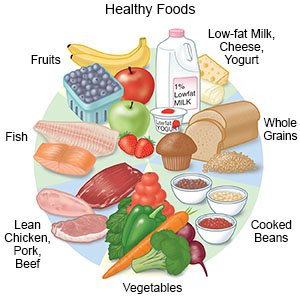
Eat a variety of healthy foods during regular meals and snacks. The following are suggested amounts of fat, carbohydrate, and protein you may need each day. Your dietitian can tell you how many calories you need each day to gain weight.
 |
- Fat is important because it provides energy and vitamins. You need 20% to 35% of your total daily calories to come from fat. For example, a man who needs about 2900 calories per day would need 725 fat calories each day. There are both healthy fats and unhealthy fats in foods. Ask your healthcare provider for more information about different types of fat and the total amount of fat you should have.
- Carbohydrate is the main source of energy your body uses during exercise. The amount you need depends on your daily calorie needs and the sport that you do. It also depends on whether you are male or female. Athletes need 6 to 10 grams of carbohydrates for each kilogram of body weight. To find your weight in kilograms, divide your weight in pounds by 2.2. Then multiply this number by your carbohydrate needs. For example, if you weigh 70 kilograms, you would need 420 to 700 grams of carbohydrate each day.
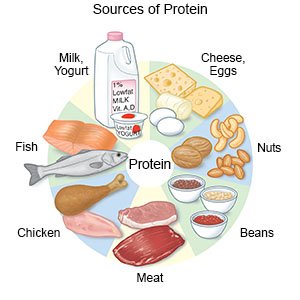
- Protein helps to build and repair muscle, produce hormones, boost your immune system, and replace blood cells. The amount of protein you need is only slightly higher than the amount suggested for people who do not exercise. Endurance athletes need 1.2 to 1.4 grams for each kilogram of body weight per day. Athletes who do strength training (such as lifting weights) need 1.2 to 1.7 grams for each kilogram of body weight per day. People can usually meet their needs for protein by following a balanced meal plan. Good sources of protein are lean meats, poultry, eggs, milk, cheese, peanut butter, and beans. Protein or amino acid supplements are not needed for weight gain if you follow a healthy and balanced meal plan.
How do I increase calories?
You need to eat or drink 500 to 1000 extra calories each day to gain about ½ to 1 pound each week. Your dietitian can tell you how many calories you need each day to gain weight. The following are some ways to add extra calories to your diet:
- Eat every 2 to 3 hours and 30 minutes after you exercise.
- Include whole-grain carbohydrates and a lean protein food in each of your meals and snacks. Examples of whole-grain carbohydrates include whole-wheat bread, rolls, and bagels. Examples of lean protein include chicken and turkey.
- Add high-calorie foods to your meals. Examples include cheese, peanut butter, avocado, nuts, and granola.
- Carry healthy snacks with you. Examples of snacks that provide about 500 calories:
- 8 saltine crackers, 1 ounce of cheese, and 1 cup of ice cream
- 1 cup of dry cereal with 1 cup of whole milk, 1 banana, and 1 slice of toast with 1 tablespoon of peanut butter
- 6 graham cracker squares with 2 tablespoons of peanut butter, 2 tablespoons of raisins, and 1 cup of orange juice
What are some healthy foods that are higher in calories?
- Choose whole-grain breads, such as honey bran, rye, and pumpernickel instead of white bread. Add peanut butter, margarine, jam, or honey for extra calories.
- Eat high-calorie cereals, such as granola and cereals that contain nuts. These are healthy choices and have more calories per serving than puffed rice or corn flakes. The serving size of a cereal is listed on the food label. You can also add more calories to cereals by adding nuts, raisins, and other fruits.
- Bananas, pineapple, mangos, raisins, dates, and dried fruit have more calories per serving than watery fruits. Some examples of watery fruits are watermelon, grapefruit, apples, and peaches. Trail mix is a good choice because it contains dried fruits and nuts.
- Add margarine, almonds, and cheese to vegetables for extra calories. Stir-frying vegetables with canola or olive oil will also add extra calories.
- Cook chicken or fish in a small amount of canola or olive oil. Red meats, such as beef, pork, and lamb, have more calories, but they also have more saturated fat. Saturated fat is an unhealthy type of fat because it may increase blood cholesterol. When you eat red meats, choose leaner cuts. Some examples of lean cuts of red meat are round or sirloin steak, ground round, fresh or boiled ham, or center loin chop.
Which liquids should I drink?
- You can add calories to your diet by drinking juice, milk, milkshakes, and instant breakfast drinks. Drink plenty of water to prevent dehydration. Dehydration can cause serious health problems. Athletes have higher liquid needs because they lose water through sweat.
- Always carry water with you during long exercise sessions. You can wear a special bag or belt made to carry water on your back or around your waist. Drink sports drinks during exercise sessions that last longer than 1 hour. The best way to check if you are drinking enough liquids is to check the color of your urine. Urine should be clear or very light yellow, with little or no smell. If your urine is dark or smells strong, you may not be drinking enough.
Care Agreement
You have the right to help plan your care. Discuss treatment options with your healthcare provider to decide what care you want to receive. You always have the right to refuse treatment. The above information is an educational aid only. It is not intended as medical advice for individual conditions or treatments. Talk to your doctor, nurse or pharmacist before following any medical regimen to see if it is safe and effective for you.© Copyright Merative 2024 Information is for End User's use only and may not be sold, redistributed or otherwise used for commercial purposes.
Further information
Always consult your healthcare provider to ensure the information displayed on this page applies to your personal circumstances.
