
Soft Cervical Collar
Medically reviewed by Drugs.com. Last updated on Apr 2, 2024.
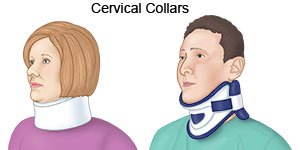
A soft cervical collar is a device that helps limit the movement of your neck. The collar is made of soft foam, wraps around your neck, and fastens in the back. You may need to use a soft cervical collar if you have a neck injury or arthritis.
 |
DISCHARGE INSTRUCTIONS:
Return to the emergency department if:
- You have severe pain, or pain that does not get better even with treatment.
- You cannot move your arm or hand.
- You feel lightheaded, dizzy, or weak.
Call your doctor if:
- Your arm or hand is numb, tingles, or is weak.
- You have questions or concerns about how to use your soft cervical collar.
How to use your soft cervical collar:
Ask how long you should wear your soft cervical collar. As your pain gets better, you may be able to remove the collar for a short time each day. This time will increase until you no longer need the collar. Do the following to put on your soft cervical collar:
- Look straight ahead and keep your chin parallel to the floor.
- Fit the collar snugly around your neck.
- Attach the fasteners at the back of your neck.
- Make sure that you can breathe comfortably.
- If the collar feels too tight, remove it and put it on again.
- Put cotton padding between the collar and your skin if the collar irritates your skin.
Prevent neck pain or injury:
- Limit activity. This may help decrease your pain and swelling. Ask your healthcare provider when you can return to your normal daily activities.
- Support your neck while you sleep. You may need to sleep without a pillow if you sleep with your collar on. Make sure your pillow is comfortable and supports your head and neck if you sleep without a collar. You may need a special neck pillow. You may be more comfortable on a firm mattress.
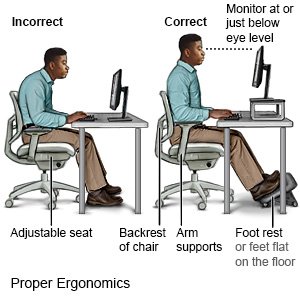
- Support your neck and back if you sit most of the day. Keep your computer monitor at eye level. Place documents you are reading into a holder at eye level. Use a headset when you talk on the telephone.
Follow up with your doctor as directed:
Write down your questions so you remember to ask them during your visits.
© Copyright Merative 2024 Information is for End User's use only and may not be sold, redistributed or otherwise used for commercial purposes.
The above information is an educational aid only. It is not intended as medical advice for individual conditions or treatments. Talk to your doctor, nurse or pharmacist before following any medical regimen to see if it is safe and effective for you.
Learn more about Soft Cervical Collar
Care guides
Further information
Always consult your healthcare provider to ensure the information displayed on this page applies to your personal circumstances.
