
Smoke Inhalation
Medically reviewed by Drugs.com. Last updated on Apr 2, 2024.
Smoke inhalation means you breathed in smoke from burning materials and gases. The smoke may contain chemicals or poisons, such as carbon monoxide and cyanide. The harmful chemicals may come from burning rubber, coal, plastic, or electrical wiring.
DISCHARGE INSTRUCTIONS:
Call your local emergency number (911 in the US) if:
- You cough up or vomit blood.
- You have a fast heartbeat and chest pain.
- You have increased shortness of breath.
Seek care immediately if:
- You feel weak.
- You have pale and clammy skin.
- You are wheezing.
- Your lips or fingernails turn blue.
Call your doctor if:
- You have a fever.
- You have questions or concerns about your condition or care.
Medicines:
- Bronchodilators help open the air passages in your lungs so you can breathe more easily.
- Take your medicine as directed. Contact your healthcare provider if you think your medicine is not helping or if you have side effects. Tell your provider if you are allergic to any medicine. Keep a list of the medicines, vitamins, and herbs you take. Include the amounts, and when and why you take them. Bring the list or the pill bottles to follow-up visits. Carry your medicine list with you in case of an emergency.
Self-care:
- Avoid airway irritation. Your lungs may get irritated more easily during the next several weeks. Avoid working with or being around irritating chemicals and smoke. Intense exercise may also cause some lung irritation. Exercise at a level that is comfortable for you.
- Do breathing exercises if you feel short of breath when you are active.
- Breathe out with pursed or puckered lips (like playing a trumpet).
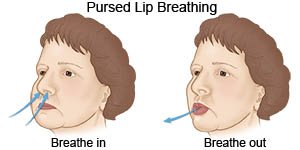
- Put one hand on your abdomen and breathe in, causing your hand to move outward or upward. Your lungs will have more room to get bigger and to take in more air.
- Breathe out with pursed or puckered lips (like playing a trumpet).
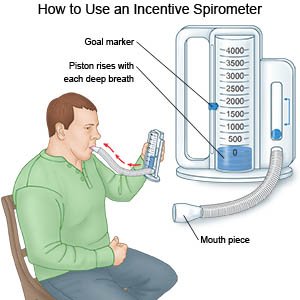
- Do deep breathing 1 time every hour, or as directed. Deep breathing helps prevent a lung infection. Slowly take a deep breath and hold the breath as long as you can. Then let out your breath. Take 10 deep breaths in a row every hour while awake. You may be asked to use an incentive spirometer to help you with this. Put the plastic piece into your mouth and slowly take a breath as deep and as long as you can. Hold your breath as long as you can. Then, let out your breath.
- Use extra oxygen as directed to help you breathe easier. Tell your healthcare provider if your nose gets dry or if you get redness or sores on your skin. Never smoke or let anyone else smoke in the same room while your oxygen is on. Doing so may cause a fire.
- Change your sleep position if you have trouble breathing when you are lying. Sleep in a position with your upper body raised to help you breathe easier. You can use foam wedges or elevate the head of your bed. Devices are available to help raise your upper body while you are in bed. Use a device that will tilt your whole body, or bend your body at the waist. The device should not bend your body at the upper back or neck.
Prevent smoke inhalation:
- Make sure electrical wiring, chimneys, wood stoves, and space heaters are working properly. Use flammable liquids safely. Store them in a locked area out of the reach of children. Use a childproof lock or latch so children cannot get to the liquids.
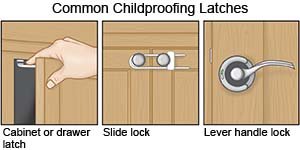
- Do not leave a lit cigarette. Discard cigarettes properly. Keep lighters and matches in a safe place where children cannot reach them.
- Make an escape plan in case a fire breaks out in your home. Practice it often with your family. Crawl on the floor to escape a burning building. The air will be cooler and cleaner.
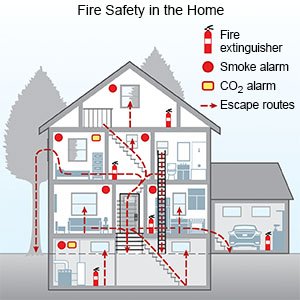
- Use smoke detectors in your home. Put 1 detector on each level of your home and outside each bedroom. Check the smoke detectors regularly to make sure they are working. Change the batteries at least 1 time each year.
- If you need to escape a burning building, crawl on the floor. The air will be cooler and less filled with smoke.
Follow up with your doctor as directed:
Write down your questions so you remember to ask them during your visits.
© Copyright Merative 2024 Information is for End User's use only and may not be sold, redistributed or otherwise used for commercial purposes.
The above information is an educational aid only. It is not intended as medical advice for individual conditions or treatments. Talk to your doctor, nurse or pharmacist before following any medical regimen to see if it is safe and effective for you.
Learn more about Smoke Inhalation
Treatment options
Care guides
Further information
Always consult your healthcare provider to ensure the information displayed on this page applies to your personal circumstances.
