
Sinusitis
Medically reviewed by Drugs.com. Last updated on Apr 2, 2024.
Sinusitis is inflammation or infection of your sinuses. Sinusitis is most often caused by a virus. Acute sinusitis may last up to 12 weeks. Chronic sinusitis lasts longer than 12 weeks. Recurrent sinusitis means you have 4 or more infections in 1 year.
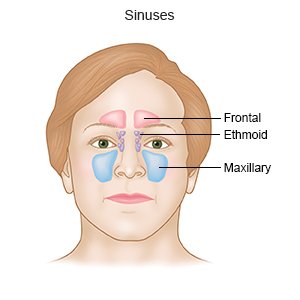 |
DISCHARGE INSTRUCTIONS:
Return to the emergency department if:
- You have trouble breathing or wheezing that is getting worse.
- You have a stiff neck, a fever, or a bad headache.
- You cannot open your eye.
- Your eyeball bulges out or you cannot move your eye.
- You are more sleepy than normal, or you notice changes in your ability to think, move, or talk.
- You have swelling of your forehead or scalp.
Call your doctor if:
- You have vision changes, such as double vision.
- Your eye and eyelid are red, swollen, and painful.
- Your symptoms do not improve or go away after 10 days.
- You have nausea and are vomiting.
- Your nose is bleeding.
- You have questions or concerns about your condition or care.
Medicines:
Your symptoms may go away on their own. Your healthcare provider may recommend watchful waiting for up to 10 days before starting antibiotics. You may need any of the following:
- Acetaminophen decreases pain and fever. It is available without a doctor's order. Ask how much to take and how often to take it. Follow directions. Read the labels of all other medicines you are using to see if they also contain acetaminophen, or ask your doctor or pharmacist. Acetaminophen can cause liver damage if not taken correctly.
- NSAIDs , such as ibuprofen, help decrease swelling, pain, and fever. This medicine is available with or without a doctor's order. NSAIDs can cause stomach bleeding or kidney problems in certain people. If you take blood thinner medicine, always ask your healthcare provider if NSAIDs are safe for you. Always read the medicine label and follow directions.
- Nasal steroid sprays may help decrease inflammation in your nose and sinuses.
- Decongestants help reduce swelling and drain mucus in the nose and sinuses. They may help you breathe easier.
- Antihistamines help dry mucus in the nose and relieve sneezing.
- Antibiotics help treat or prevent a bacterial infection.
- Take your medicine as directed. Contact your healthcare provider if you think your medicine is not helping or if you have side effects. Tell your provider if you are allergic to any medicine. Keep a list of the medicines, vitamins, and herbs you take. Include the amounts, and when and why you take them. Bring the list or the pill bottles to follow-up visits. Carry your medicine list with you in case of an emergency.
Treatment options
The following list of medications are related to or used in the treatment of this condition.
Self-care:
- Rinse your sinuses as directed. Use a sinus rinse device to rinse your nasal passages with a saline (salt water) solution or distilled water. Do not use tap water. This will help thin the mucus in your nose and rinse away pollen and dirt. It will also help reduce swelling so you can breathe normally.
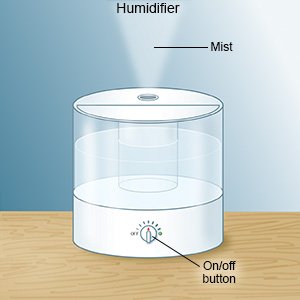
- Use a humidifier to increase air moisture in your home. This may make it easier for you to breathe and help decrease your cough.
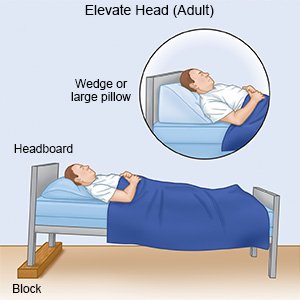
- Sleep with your head elevated. Place an extra pillow under your head before you go to sleep to help your sinuses drain.
- Drink liquids as directed. Ask your healthcare provider how much liquid to drink each day and which liquids are best for you. Liquids will thin the mucus in your nose and help it drain. Avoid drinks that contain alcohol or caffeine.
- Do not smoke, and avoid secondhand smoke. Nicotine and other chemicals in cigarettes and cigars can make your symptoms worse. Ask your healthcare provider for information if you currently smoke and need help to quit. E-cigarettes or smokeless tobacco still contain nicotine. Talk to your healthcare provider before you use these products.
Prevent the spread of germs:
- Wash your hands often with soap and water. Wash your hands after you use the bathroom, change a child's diaper, or sneeze. Wash your hands before you prepare or eat food.
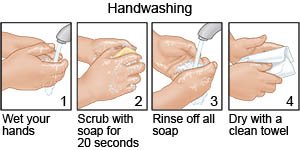
- Stay away from people who are sick. Some germs spread easily and quickly through contact.
Follow up with your doctor as directed:
You may be referred to an ear, nose, and throat specialist. Write down your questions so you remember to ask them during your visits.
© Copyright Merative 2024 Information is for End User's use only and may not be sold, redistributed or otherwise used for commercial purposes.
The above information is an educational aid only. It is not intended as medical advice for individual conditions or treatments. Talk to your doctor, nurse or pharmacist before following any medical regimen to see if it is safe and effective for you.
Learn more about Sinusitis
- Can You Drink Alcohol with Antibiotics?
- Common Side Effects from Antibiotics, and Allergies and Reactions
Treatment options
Care guides
Symptoms and treatments
Medicine.com guides (external)
Further information
Always consult your healthcare provider to ensure the information displayed on this page applies to your personal circumstances.
