Open Splenectomy

What you should know

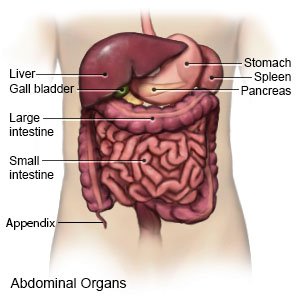
  • Open splenectomy is surgery to take out all or a part of your spleen. The spleen is a bean-shaped organ found under the ribs on the left upper side of your abdomen (stomach). As blood passes through the spleen, old and damaged blood cells are removed. The spleen also makes immune system cells called lymphocytes, which help fight germs and infections. You may need an open splenectomy when your spleen is damaged by blood diseases, infections, or injury. Cysts (sacs filled with fluids) and tumors may also damage the spleen and prevent the production of new lymphocytes. A damaged spleen can swell and block the flow of blood in your abdomen. This may cause problems in the other organs of your body, such as the liver. Open splenectomy can help stop the destruction of blood cells and restore normal blood flow.


  • You will have this procedure done before your condition gets worse or when symptoms appear. It is done through a large incision (cut) through the abdomen above the spleen. In some cases, you may start with a procedure called laparoscopic splenectomy (LS), but then have an open splenectomy. LS is a procedure that uses several small incisions and special instruments, such as a laparoscope, to remove your spleen. You may have an open splenectomy if your caregiver finds he cannot do the procedure with the smaller incisions and tools of LS. With open splenectomy, your symptoms may be relieved and further damage to other organs prevented.

Care Agreement

You have the right to help plan your care. Learn about your health condition and how it may be treated. Discuss treatment options with your caregivers to decide what care you want to receive. You always have the right to refuse treatment.

Risks

  • You may have trouble breathing, or get pneumonia after having an open splenectomy. Nerves, blood vessels, muscles, and other organs near the spleen may be damaged. Surgical risks of infection or bleeding too much are higher with this surgery and may be life-threatening. Even after a successful surgery, your symptoms may not disappear at once. If your spleen is completely removed, you will always have a higher risk of getting infections from bacteria.

  • You may get a blood clot in your leg or arm. This can cause pain and swelling, and it can stop blood from flowing where it needs to go in your body. The blood clot can break loose and travel to your lungs. A blood clot in your lungs can cause chest pain and trouble breathing. This problem can be life-threatening.

  • If left untreated, your spleen can continue to swell and block normal blood flow in your abdomen. The spleen may continue destroying normal blood cells and damaging organs, such as your liver. The immune system cells that fight infection (lymphocytes) are also destroyed. This can make you get sick very easily, and make you feel very weak and dizzy. Your spleen may also burst and cause hemorrhage (very bad bleeding), which can cause death. Call your caregiver if you are worried or have questions about your condition, treatment, or care.

Getting Ready

The week before your surgery:

  • Ask a family member or friend to drive you home after your surgery. Do not drive yourself home.

  • Medications:

    • Ask your caregiver if you need to stop using aspirin or any other prescribed or over-the-counter medicine before your procedure or surgery.

    • Bring your medicine bottles or a list of your medicines when you see your caregiver. Tell your caregiver if you are allergic to any medicine. Tell your caregiver if you use any herbs, food supplements, or over-the-counter medicine.

  • You may need a blood transfusion if you lose a large amount of blood during surgery. Some people are worried about getting AIDS, hepatitis, or the West Nile virus from a blood transfusion. The risk of this happening is very low. Blood banks test all donated blood for AIDS, hepatitis, and the West Nile virus. You may be able to donate your own blood before surgery. This is called autologous blood donation. This must be done no later than three days before surgery. You may also ask a family member or friend with the same blood type to donate blood for you. This is called directed blood donation.

  • If you have diabetes, ask your caregiver for special instructions about what you may eat and drink before your surgery. If you use medicine to treat diabetes, your caregiver may have special instructions about using it before surgery. You may need to check your blood sugar more often before and after having surgery.

  • Tell your caregiver if you know or think you might be pregnant.

  • Tests: You may need to have different blood and urine tests. Imaging tests, such as x-rays, computerized tomography (CT) scan, or magnetic resonance imaging (MRI) may also be done. Ask your caregiver for more information about these and other tests that you may need. Write down the date, time, and location of each test .

  • Vaccines: You will need to be vaccinated against pneumococcal pneumonia before your surgery. You may also need other vaccinations, such as against the flu and bacterial meningitis (brain infection). Ask your caregiver which vaccinations you will need. Ask your caregiver for more information about these vaccines if you have questions or concerns about them.

The night before your surgery:

  • You may be given medicine to help you sleep.

  • Ask caregivers about directions for eating and drinking.

The day of your surgery:

  • Write down the correct date, time, and location of your surgery.

  • What to bring: You may want to bring items such as a toothbrush and bathrobe.

  • Ask your caregiver before taking any medicine on the day of your surgery. These medicines include insulin, diabetic pills, high blood pressure pills, or heart pills. Bring all the medicines you are taking, including the pill bottles, with you to the hospital.

  • Caregivers may insert an intravenous tube (IV) into your vein. A vein in the arm is usually chosen. Through the IV tube, you may be given liquids and medicine.

  • An anesthesiologist may talk to you before your surgery. This caregiver may give you medicine to make you sleepy before your procedure or surgery. Tell your caregiver if you or anyone in your family has had a problem using anesthesia in the past.

  • You or a close family member will be asked to sign a legal document called a consent form. It gives caregivers permission to do the procedure or surgery. It also explains the problems that may happen, and your choices. Make sure all your questions are answered before you sign this form.

Treatment

What will happen:

  • You will be asked to change into a hospital gown. You may be given antibiotic medicine through your IV to prevent infection. You may be given medicine to help you relax or make you drowsy. You will be taken on a stretcher to the room where the surgery will be done. A medicine called general anesthesia will be given to keep you asleep and free from pain during the surgery. You will be moved into position for the surgery when you are asleep. Your chest and abdomen will be cleaned and covered with sheets to keep the surgery area clean.

  • An incision (cut) will be made along your abdomen to reach your spleen. Once it is seen, the blood vessels attached to it will be tied off and cut. Your caregiver may remove the whole spleen or only the damaged parts. He will cut tissues covering and attached to the spleen. He will also check for bleeding and look for other problems in the abdomen. The incision will be closed with sutures (stitches) and covered with a bandage.

After your surgery:

You may be taken to a recovery room, where you will stay until you are fully awake. Caregivers will watch you closely for problems. Do not try to get out of bed until your caregiver says it is okay. When caregivers see that you are okay, you will be taken to your hospital room. The bandages covering your incision will keep the area clean and dry to prevent infection. A caregiver may remove the bandages to check your incision.

Waiting area:

This is an area where your family and friends can wait until you are able to have visitors. Ask your visitors to provide a way to reach them if they leave the waiting area.

Contact a caregiver if

  • You cannot make it to your appointment on time.

  • You have a fever.

Seek Care Immediately if

  • You get bad pain in your abdomen, or feel faint or weak.

  • You have trouble breathing or chest pain all of a sudden.

  • The problems for which you are having the open splenectomy get worse.

© 2013 Truven Health Analytics Inc. Information is for End User's use only and may not be sold, redistributed or otherwise used for commercial purposes. All illustrations and images included in CareNotes® are the copyrighted property of the Blausen Databases or Truven Health Analytics.

The above information is an educational aid only. It is not intended as medical advice for individual conditions or treatments. Talk to your doctor, nurse or pharmacist before following any medical regimen to see if it is safe and effective for you.

Advertisement
Close

Recommended

(web6)