
Mitral Valve Prolapse
Medically reviewed by Drugs.com. Last updated on Apr 2, 2024.
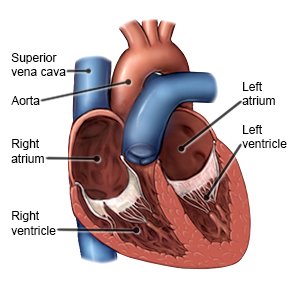
Mitral valve prolapse (MVP) is a weak or bulging mitral valve in your heart. Your mitral valve has 2 flaps that open and close. It allows blood to flow through your heart in one direction. MVP is a common heart condition that often has no signs or symptoms. Most people who have MVP are born with it.
 |
DISCHARGE INSTRUCTIONS:
Call your local emergency number (911 in the US) for any of the following:
- You have shortness of breath or chest pain.
- You have any of the following signs of a stroke:
- Numbness or drooping on one side of your face
- Weakness in an arm or leg
- Confusion or difficulty speaking
- Dizziness, a severe headache, or vision loss
Seek care immediately if:
- You faint.
- You have new symptoms or your symptoms get worse.
Call your doctor if:
- You have questions or concerns about your condition or care.
Medicines:
- Medicines may be given to help your heart beat more strongly or regularly. You may need blood thinning medicines to lower your risk of blood clots. You may instead be given medicines to make your blood vessels dilate (open).
- Take your medicine as directed. Contact your healthcare provider if you think your medicine is not helping or if you have side effects. Tell your provider if you are allergic to any medicine. Keep a list of the medicines, vitamins, and herbs you take. Include the amounts, and when and why you take them. Bring the list or the pill bottles to follow-up visits. Carry your medicine list with you in case of an emergency.
Treatment options
The following list of medications are related to or used in the treatment of this condition.
Manage MVP:
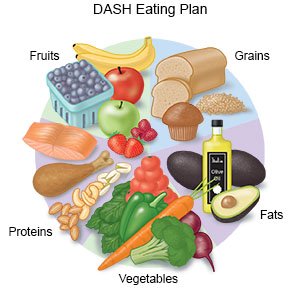
- Eat heart-healthy foods. Heart-healthy foods include fresh fruits and vegetables, low-fat dairy products, chicken (without skin), lean meats, and fish. Eat two 4-ounce servings of fish high in omega-3 fats each week. Examples are salmon, fresh tuna, and herring. Ask for more information on a heart-healthy diet.
- Maintain a healthy weight. Being overweight makes your heart work harder. Ask your healthcare provider what a healthy weight is for you. Ask him or her to help you create a weight loss plan if you are overweight.
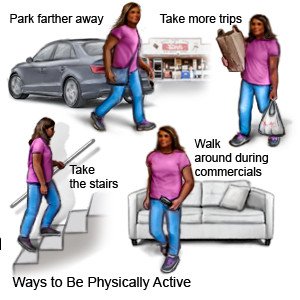
- Stay active. Ask your healthcare provider which activities are best for you.
- Do not use caffeine. Caffeine can make your MVP symptoms worse.
- Do not smoke. Nicotine and other chemicals in cigarettes and cigars can cause damage to your heart. Ask your healthcare provider for information if you currently smoke and need help to quit. E-cigarettes or smokeless tobacco still contain nicotine. Talk to your healthcare provider before you use these products.
Follow up with your doctor or cardiologist as directed:
You may need more tests. Write down your questions so you remember to ask them during your visits.
© Copyright Merative 2024 Information is for End User's use only and may not be sold, redistributed or otherwise used for commercial purposes.
The above information is an educational aid only. It is not intended as medical advice for individual conditions or treatments. Talk to your doctor, nurse or pharmacist before following any medical regimen to see if it is safe and effective for you.
Learn more about Mitral Valve Prolapse
Treatment options
Care guides
Symptoms and treatments
Further information
Always consult your healthcare provider to ensure the information displayed on this page applies to your personal circumstances.
