
Concussion in Children
Medically reviewed by Drugs.com. Last updated on Apr 2, 2024.
What is a concussion?
A concussion is a mild traumatic brain injury. It is usually caused by a bump or blow to the head. Forceful shaking can also cause a concussion.
What are the signs and symptoms of a concussion?
Signs and symptoms may happen right away, or develop hours or days after the concussion. Depending on your child's age, he or she may have any of the following:
- Headache
- Drowsiness, dizziness, or loss of balance
- Nausea or vomiting
- A change in mood (restless, sad, or irritable)
- Trouble thinking, remembering things, or concentrating
- Ringing in the ears
- Changes in sleeping pattern or fatigue
- Short-term loss of newly learned skills, such as toilet training (in young children)
- Constant crying that cannot be consoled, or refusing to feed (in babies)
How is a concussion diagnosed?
Your child's healthcare provider will examine your child. He or she will ask about your child's injury and symptoms. Your child may need any of the following:
- A neurologic exam can show healthcare providers how well your child's brain works after an injury. Healthcare providers will check how your child's pupils react to light. They may check your child's memory and how easily he or she wakes up. Your child's hand grasp and balance may also be tested.
- CT or MRI pictures may be used to check your child's skull. These may be used if your child has symptoms of a serious injury. Your child may be given contrast liquid to help any injury show up better in the pictures. Tell the healthcare provider if your child has ever had an allergic reaction to contrast liquid. He or she should not enter the MRI room with anything metal. Metal can cause serious injury. Tell the healthcare provider if your child has any metal in or on his or her body.
How is a concussion managed?
Concussion symptoms usually go away without treatment within 2 weeks. The following can help you manage your child's symptoms:
- Watch your child closely for the first 72 hours after the injury. Contact your child's healthcare provider if he or she has new or worsening symptoms.
- Have your child rest to help his or her brain heal. Your child's healthcare provider may recommend complete rest for the first 72 hours. Keep your child home from school or daycare. Do not let him or her ride a bike, run, swim, climb, or play sports. Do not let your child play video games, read, watch TV, or use a computer. Your child can go back to school and do most daily activities when symptoms are completely gone. He or she will need to stop any activity that triggers symptoms or makes them worse.
- Do not allow your child to play sports until his or her healthcare provider says it is okay. Sports could make your child's symptoms worse or lead to another concussion. The provider will tell you when it is okay for him or her to return to sports.
- Help your child create a sleep schedule. A schedule will help prevent your child from getting too much or too little sleep. Your child should go to bed and wake up at the same times each day. Keep your child's room dark and quiet.
- Pain medicine may help relieve headache pain. Do not give your child NSAIDs or aspirin. These can increase your child's risk for bleeding.Acetaminophen decreases pain and fever. It is available without a doctor's order. Ask how much to give your child and how often to give it. Follow directions. Read the labels of all other medicines your child uses to see if they also contain acetaminophen, or ask your child's doctor or pharmacist. Acetaminophen can cause liver damage if not taken correctly.
Treatment options
The following list of medications are related to or used in the treatment of this condition.
How can I help my child prevent another concussion?
A concussion that happens before the brain heals can cause a condition called second impact syndrome (SIS). SIS can cause your child's brain to swell. Even after your child's brain heals, more concussions increase the risk for health problems later. The following can help prevent another concussion:
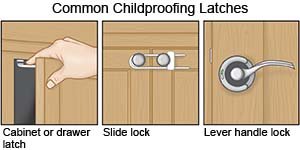
- Make your home safe for your child. Home safety measures can help prevent head injuries that could lead to a concussion. Put self-latching gates at the bottoms and tops of stairs. Screw the gate to the wall at the tops of stairs. Install handrails for every staircase. Put soft bumpers on furniture edges and corners. Secure heavy furniture, such as a dresser or bookcase, so your child cannot pull it over.
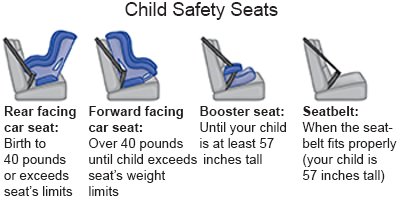
- Make sure your child uses a proper car seat, booster seat, or seatbelt every time he or she travels. This helps lower your child's risk for a head injury if he or she is in a car accident.
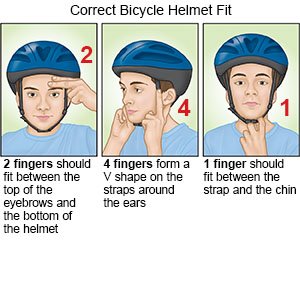
- Have your child wear protective sports equipment that fits properly. A helmet is not a guarantee against a concussion, but it can help decrease the risk. Have your child wear the proper helmet for each activity, such as bike riding or skateboarding. Your child will need specific helmets for sports, such as football. Ask for more information about how to prevent sports concussions.
Where can I find more information?
- Brain Injury Association
1608 Spring Hill Road
Vienna , VA 22182
Phone: 1- 703 - 761-0750
Phone: 1- 800 - 444-6443
Web Address: http://www.biausa.org
Call your local emergency number (911 in the US) if:
- Your child is harder to wake than usual, or you cannot wake him or her.
- Your child has a seizure, increasing confusion, or a change in personality.
- Your child's speech becomes slurred.
When should I seek immediate care?
- Your child has new vision problems, or one pupil is bigger than the other.
- Your child has blood or clear fluid coming out of his or her ears or nose.
- Your child has arm or leg weakness, loss of feeling, or new problems with coordination.
- Your child has a headache that gets worse, or a severe headache that does not go away.
- Your baby has a bulging soft spot on his or her head.
When should I call my child's doctor?
- Your child has trouble concentrating or is dizzy.
- Your child has nausea or vomits.
- Your child's symptoms last longer than 2 weeks after the injury.
- Your baby will not stop crying, or will not eat.
- You have questions or concerns about your child's condition or care.
Care Agreement
You have the right to help plan your child's care. Learn about your child's health condition and how it may be treated. Discuss treatment options with your child's healthcare providers to decide what care you want for your child. The above information is an educational aid only. It is not intended as medical advice for individual conditions or treatments. Talk to your doctor, nurse or pharmacist before following any medical regimen to see if it is safe and effective for you.© Copyright Merative 2024 Information is for End User's use only and may not be sold, redistributed or otherwise used for commercial purposes.
Learn more about Concussion
Treatment options
Care guides
Further information
Always consult your healthcare provider to ensure the information displayed on this page applies to your personal circumstances.
