Thomson Reuters Micromedex

Aortic Valve Replacement

WHAT YOU SHOULD KNOW:

Aortic Valve Replacement (Inpatient Care) Care Guide

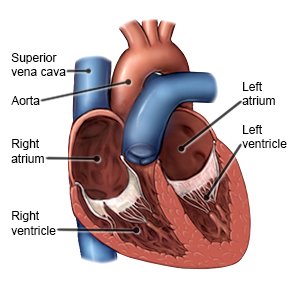
Aortic valve replacement is surgery to put a new aortic valve in your heart. Your aortic valve is a door-like flap between the lower section of your heart and your aorta. The aorta is the large blood vessel that carries blood from your heart out to your body. Your aortic valve opens and closes to let blood pass out of your heart. When your aortic valve does not open or close as it should, the amount of blood that your heart can pump to your body decreases. Your aortic valve will be replaced during surgery. This surgery may be done at the same time as other heart surgery. After surgery, you may have less chest pain, or feel less tired or dizzy. You may be able to exercise more. The surgery may help prevent problems with your heart in the future.

Pictures of aortic regurgitation and stenosis

CARE AGREEMENT:

You have the right to help plan your care. Learn about your health condition and how it may be treated. Discuss treatment options with your caregivers to decide what care you want to receive. You always have the right to refuse treatment.

RISKS:

  • You may bleed more than you should during or after surgery, and need a blood transfusion or more surgery. After your surgery, you may get an infection or have a stroke. Your new valve may not work right, or over time the new valve or area around it may become damaged. The new valve may be too small and may worsen your condition. The problem you had before the surgery may come back or may still be there after surgery. You may need to have heart valve surgery again. Your heart may not beat as it should after surgery. In rare cases, your heart may stop working.

  • After surgery, you may get a blood clot in your leg or arm. This can cause pain and swelling, and it can stop blood from flowing where it needs to go in your body. The blood clot can break loose and travel to your lungs. A blood clot in your lungs can cause chest pain and trouble breathing. This problem can be life-threatening. You may need to take medicine to prevent blood clots for the rest of your life after your surgery. Without surgery, you may get short of breath or tired more often. Blood and fluid could build up in your lungs and your heart may start to fail. Call your caregiver if you have questions about these risks or your medicine or care.

WHILE YOU ARE HERE:

Before your surgery:

  • Informed Consent: Informed consent: A consent form is a legal document that explains the tests, treatments, or procedures that you may need. Informed consent means you understand what will be done and can make decisions about what you want. You give your permission when you sign the consent form. You can have someone sign this form for you if you are not able to sign it. You have the right to understand your medical care in words you know. Before you sign the consent form, understand the risks and benefits of what will be done. Make sure all your questions are answered.

You will need blood tests, and you may need any of the following:
  • Transesophageal echocardiogram:

    • A transesophageal echocardiogram (TEE) is a type of ultrasound that shows pictures of the size and shape of your heart. It also looks at how your heart moves when it is beating. These pictures are seen on a TV-like screen. You may need a TEE if your heart does not show up very well in a regular echocardiogram. You may also need a TEE to check for certain problems such as blood clots or infection inside the heart.

    • You will be given medicine to relax you during a TEE. Caregivers put a tube in your mouth that is moved down into your esophagus (food pipe). The tube has a small ultrasound sensor on the end. Since your esophagus is right next to your heart, your caregiver can see your heart clearly.

  • Vital signs: Caregivers will check your blood pressure, heart rate, breathing rate, and temperature. They will also ask about your pain. These vital signs give caregivers information about your current health.

  • Pulse oximeter: A pulse oximeter is a device that measures the amount of oxygen in your blood. A cord with a clip or sticky strip is placed on your finger, ear, or toe. The other end of the cord is hooked to a machine. Never turn the pulse oximeter or alarm off. An alarm will sound if your oxygen level is low or cannot be read.

  • IV: An IV (intravenous) is a small tube placed in your vein that is used to give you medicine or liquids.

  • General anesthesia: Caregivers use this medicine to keep you asleep and free from pain during surgery. They give you anesthesia through your IV or as a gas. You may breathe in the gas through a mask or through a breathing tube placed down your throat. The tube may cause you to have a sore throat when you wake up.

  • Heart monitor: This is also called an ECG or EKG. Sticky pads placed on your skin record your heart's electrical activity.

  • Arterial line: An arterial line is a tube that is placed into an artery (blood vessel), usually in the wrist or groin. The groin is the area where your abdomen meets your upper leg. An arterial line may be used for measuring your blood pressure or for taking blood.

During your surgery:

Your chest is cleaned. Your caregivers make 1 or more incisions (cuts) in your chest. Your heart is connected to a heart-lung bypass machine. The machine does the work of your heart and lungs during your surgery. This allows your caregivers to stop your heart and keep blood out of it during surgery. Your old aortic valve is removed and replaced with a tissue valve or mechanical valve. The new valve is sewn in place. Caregivers may put wires your chest that stay there in for a short time after surgery. The wires can be used to improve your heart beat. The bypass machine is removed, and your own heart and lungs start working again. The incision in your chest is closed with wire and stitches.

After surgery:

You are taken to the recovery room or an intensive care unit (ICU). Caregivers will watch you very closely. A bandage is used to cover your stitches or staples. This bandage keeps the area clean and dry to help prevent infection. A caregiver may remove the bandage shortly after surgery to check the incision. Do not get out of bed until your caregiver says it is OK. Your family may be allowed to visit you in the ICU for a short visit several times a day.

Waiting area:

This is an area where your family and friends can wait until you are able to have visitors. Ask your visitors to provide a way to reach them if they leave the waiting area.

Oxygen and a ventilator:

You may need extra oxygen when waking up and for a day or two after surgery. Caregivers may leave an endotracheal tube (ET tube) in your throat. Oxygen can be given through the ET tube by a breathing machine called a ventilator. After the ET tube is taken out, you may still need oxygen. The oxygen may be given through a plastic mask over your mouth and nose. Oxygen may also be given through nasal prongs (short, thin tubes in your nose).

Pulmonary artery catheter:

This is a balloon-tipped catheter (thin tube) inserted through a vein in your neck or groin. The pulmonary artery (PA) catheter goes into the right side of your heart and continues to your pulmonary artery. The balloon is inflated to wedge the catheter in place. The PA catheter has a device in it that measures the pressure in your heart and lungs. The catheter is attached to a monitor that shows the pressure measurements. The measurements can also show caregivers how your heart responds to certain heart medicines.

Chest tube:

A chest tube is used to remove air, blood, or fluid from around your lungs or heart. Removing fluid lets your lungs fill up with air when you breathe, and helps your heart beat normally. The chest tube is attached to a container to collect the blood or fluid. Call a caregiver right away if the tube comes apart from the container. Let the caregiver know if the tubing gets bent, twisted, or the tape comes loose. You may need more than one chest tube.

Blood transfusion:

You may need a blood transfusion for certain medical conditions. You may also need a transfusion if you lose a large amount of blood during surgery. You may ask a family member or friend with the same blood type to donate blood for you. This is called directed blood donation. Many people are worried about getting AIDS, hepatitis, or West Nile Virus from a blood transfusion. The risk of this happening is rare. Blood banks test all donated blood for AIDS, hepatitis, and West Nile Virus. If you refuse a blood transfusion, your condition may get worse, and you may die.

Neurologic exam:

This is also called neuro signs, neuro checks, or neuro status. A neurologic exam can show caregivers how well your brain works after an injury or illness. Caregivers will check how your pupils (black dots in the center of each eye) react to light. They may check your memory and how easily you wake up. Your hand grasp and balance may also be tested.

Deep breathing:

This exercise should be done once an hour to keep you from getting a lung infection. Deep breathing opens the tubes going to your lungs. Slowly take a deep breath and hold the breath as long as you can. Then let out your breath. Take 10 deep breaths in a row every hour while awake. You may be asked to use an incentive spirometer to help you with this. Put the plastic piece into your mouth and slowly take a breath as deep and as long as you can. Hold your breath as long as you can. Then, let out your breath.

Activity:

Exercise, such as walking, after valve replacement surgery is important. Exercise helps you recover from surgery and may help prevent other medical problems. It can also help prevent depression (feelings of deep sadness) that often occurs after heart surgery. When you begin to exercise, you will feel tired at first, but over time you will be able to do more. Caregivers will help you begin to exercise. Your caregivers may want you to continue in an exercise program after you leave the hospital. Ask your caregivers to help you make an exercise plan for when you return home.

Intake and output:

Caregivers will keep track of the amount of liquid you are getting. They also may need to know how much you are urinating. Ask how much liquid you should drink each day. Ask caregivers if they need to measure or collect your urine.

Food and drink after surgery:

You will able to drink liquids and eat certain foods once your stomach function returns after surgery. You may be given ice chips at first. Then you will get liquids such as water, broth, juice, and clear soft drinks. If your stomach does not become upset, you may then be given soft foods, such as ice cream and applesauce. Once you can eat soft food easily, you may slowly begin to eat solid foods.

Foley catheter:

This is a tube caregivers put into your bladder to drain your urine into a bag. Keep the bag below your waist. This will help prevent infection and other problems caused by urine flowing back into your bladder. Do not pull on the catheter, because this may cause pain and bleeding, and the catheter could come out. Keep the catheter tubing free of kinks so your urine will flow into the bag. Caregivers will remove the catheter as soon as possible, to help prevent infection.

Medicines:

Ask caregivers for more information about these and any other medicines that you may need:

  • Pain medicine: Caregivers may give you medicine to take away or decrease your pain.

    • Do not wait until the pain is severe to ask for your medicine. Tell caregivers if your pain does not decrease. The medicine may not work as well at controlling your pain if you wait too long to take it.

    • Pain medicine can make you dizzy or sleepy. Prevent falls by calling a caregiver when you want to get out of bed or if you need help.

  • Blood thinners: This medicine helps prevent clots from forming in the blood. Blood thinners may be given before, during, and after a surgery or procedure. Blood thinners make it more likely for you to bleed or bruise. Use an electric razor and soft toothbrush to help prevent bleeding.

  • Heart medicine: This medicine is given to strengthen or regulate your heartbeat. It also may help your heart in other ways. Talk with your caregiver to find out what your heart medicine is and why you are taking it.

  • Blood pressure medicine: This is given to lower your blood pressure. A controlled blood pressure helps protect your organs, such as your heart, lungs, brain, and kidneys. Take your blood pressure medicine exactly as directed.

  • Antibiotics: This medicine is given to help treat or prevent an infection caused by bacteria.

  • Aspirin: This medicine may be given to help thin the blood to keep blood clots from forming. This medicine makes it more likely for you to bleed or bruise.

Preventing blood clots:

Around the time of your surgery or procedure you may need to take medicine to thin your blood. Blood thinning medicine helps prevent blood clots from forming in your veins. This medicine makes it easier for a person to bruise and bleed. You will need regular blood tests while taking this medicine. If you have a bleeding disorder or a history of bleeding or blood clots, tell your caregiver. Talk to your caregiver about all of the medicines that you use. Physical activity helps prevent blood clots. Caregivers will help you be as active as possible after your surgery or procedure.

Copyright © 2012. Thomson Reuters. All rights reserved. Information is for End User's use only and may not be sold, redistributed or otherwise used for commercial purposes.

The above information is an educational aid only. It is not intended as medical advice for individual conditions or treatments. Talk to your doctor, nurse or pharmacist before following any medical regimen to see if it is safe and effective for you.

Learn more about Aortic Valve Replacement (Inpatient Care)

Advertisement
Close

Recommended

(web5)