
Ankle Sprain
Medically reviewed by Drugs.com. Last updated on Apr 2, 2024.
An ankle sprain happens when 1 or more ligaments in your ankle joint stretch or tear. Ligaments are tough tissues that connect bones. Ligaments support your joints and keep your bones in place.
DISCHARGE INSTRUCTIONS:
Return to the emergency department if:
- You have severe pain in your ankle.
- Your foot or toes are cold or numb.
- Your ankle becomes more weak or unstable (wobbly).
- You are unable to put any weight on your ankle or foot.
- Your swelling has increased or returned.
Call your doctor if:
- Your pain does not go away, even after treatment.
- You have questions or concerns about your condition or care.
Medicines:
You may need any of the following:
- NSAIDs , such as ibuprofen, help decrease swelling, pain, and fever. This medicine is available with or without a doctor's order. NSAIDs can cause stomach bleeding or kidney problems in certain people. If you take blood thinner medicine, always ask your healthcare provider if NSAIDs are safe for you. Always read the medicine label and follow directions.
- Acetaminophen decreases pain and fever. It is available without a doctor's order. Ask how much to take and how often to take it. Follow directions. Read the labels of all other medicines you are using to see if they also contain acetaminophen, or ask your doctor or pharmacist. Acetaminophen can cause liver damage if not taken correctly.
- Prescription pain medicine may be given. Ask your healthcare provider how to take this medicine safely. Some prescription pain medicines contain acetaminophen. Do not take other medicines that contain acetaminophen without talking to your healthcare provider. Too much acetaminophen may cause liver damage. Prescription pain medicine may cause constipation. Ask your healthcare provider how to prevent or treat constipation.
- Take your medicine as directed. Contact your healthcare provider if you think your medicine is not helping or if you have side effects. Tell your provider if you are allergic to any medicine. Keep a list of the medicines, vitamins, and herbs you take. Include the amounts, and when and why you take them. Bring the list or the pill bottles to follow-up visits. Carry your medicine list with you in case of an emergency.
Self-care:
- Use support devices , such as a brace, cast, or splint, to limit your movement and protect your joint. You may need to use crutches to decrease your pain as you move around.
- Go to physical therapy as directed. A physical therapist teaches you exercises to help improve movement and strength, and to decrease pain.
- Rest your ankle so that it can heal. Return to normal activities as directed.
- Apply ice on your ankle for 15 to 20 minutes every hour or as directed. Use an ice pack, or put crushed ice in a plastic bag. Cover the ice pack or bag with a towel before you put it on your injury. Ice helps prevent tissue damage and decreases swelling and pain.
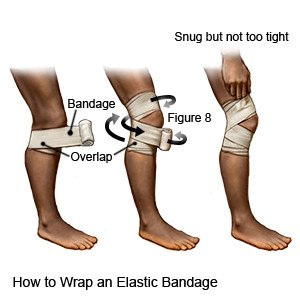
- Compress your ankle. Ask if you should wrap an elastic bandage around your injured ligament. An elastic bandage provides support and helps decrease swelling and movement so your joint can heal. Wear as long as directed.
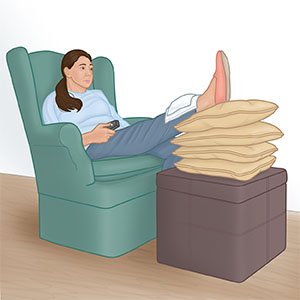
- Elevate your ankle above the level of your heart as often as you can. This will help decrease swelling and pain. Prop your ankle on pillows or blankets to keep it elevated comfortably.
Treatment options
The following list of medications are related to or used in the treatment of this condition.
Prevent another ankle sprain:
- Let your ankle heal. Find out how long your ligament needs to heal. Do not do any physical activity until your healthcare provider says it is okay. If you start activity too soon, you may develop a more serious injury.
- Warm up and stretch before you exercise or play sports. This helps your joints become strong and flexible.
- Use the right equipment. Always wear shoes that fit well and are made for the activity that you are doing. You may also need ankle supports, elbow and knee pads, or braces.
Follow up with your doctor as directed:
Write down your questions so you remember to ask them during your visits.
© Copyright Merative 2024 Information is for End User's use only and may not be sold, redistributed or otherwise used for commercial purposes.
The above information is an educational aid only. It is not intended as medical advice for individual conditions or treatments. Talk to your doctor, nurse or pharmacist before following any medical regimen to see if it is safe and effective for you.
Learn more about Ankle Sprain
- Pain Management: Types of Pain and Treatment Options
- Top 9 Things You Must Know About Naproxen
- Understanding Opioid (Narcotic) Pain Medications
Treatment options
Care guides
Symptoms and treatments
Medicine.com guides (external)
Further information
Always consult your healthcare provider to ensure the information displayed on this page applies to your personal circumstances.
