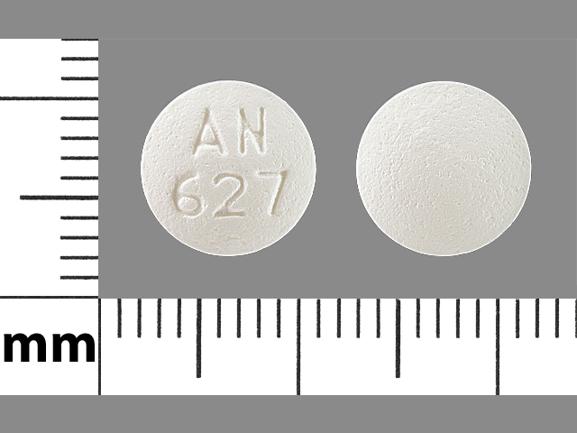
Tramadol
Pronunciation: TRAM-a-dol
Generic name: tramadol
Brand names: ConZip, Qdolo, Ultram, Ultram ER
Drug class: Opioids (narcotic analgesics)
What is tramadol?
Tramadol is a strong pain medication used to treat moderate to severe pain that is not being relieved by other types of pain medicines. Tramadol is a synthetic opioid and acts in the brain and spine (central nervous system) to reduce the amount of pain you feel.
The extended-release form of tramadol is for around-the-clock treatment of pain. This form of tramadol is not for use on an as-needed basis for pain.
Warnings
Seizures have been reported in patients taking tramadol. Your risk of seizures is higher if you are taking higher doses than recommended. Seizure risk is also higher in those with a seizure disorder or those taking certain antidepressants or opioid medications.
Tramadol should not be used if you are suicidal or prone to addiction.
You should not take tramadol if you have severe breathing problems, a blockage in your stomach or intestines, or if you have recently used alcohol, sedatives, tranquilizers, narcotic medication, or an MAO inhibitor (isocarboxazid, linezolid, methylene blue injection, phenelzine, rasagiline, selegiline, tranylcypromine, and others).
Tramadol can slow or stop your breathing, and may be habit-forming. MISUSE OF THIS MEDICINE CAN CAUSE ADDICTION, OVERDOSE, OR DEATH, especially in a child or other person using the medicine without a prescription. Keep this medicine where others cannot get to it.
Tramadol should not be given to a child younger than 12 years old, or anyone younger than 18 years old who recently had surgery to remove the tonsils or adenoids. Ultram ER should not be given to anyone younger than 18 years old.
Taking tramadol during pregnancy may cause life-threatening withdrawal symptoms in the newborn.
Fatal side effects can occur if you use this medicine with alcohol, or with other drugs that cause drowsiness or slow your breathing.
Before taking this medicine
You should not take tramadol if you are allergic to it, or if you have:
-
severe asthma or breathing problems;
-
a stomach or bowel obstruction (including paralytic ileus);
-
if you have recently used alcohol, sedatives, tranquilizers, or narcotic medications; or
-
if you have used an MAO inhibitor in the past 14 days (such as isocarboxazid, linezolid, methylene blue injection, phenelzine, or tranylcypromine).
Tramadol should not be given to a child younger than 12 years old. Ultram ER should not be given to anyone younger than 18 years old.
Do not give this medicine to anyone younger than 18 years old who recently had surgery to remove the tonsils or adenoids.
Seizures have occurred in some people taking tramadol. Your seizure risk may be higher if you have ever had:
-
a head injury, epilepsy or other seizure disorder;
-
drug or alcohol addiction; or
-
a metabolic disorder.
To make sure tramadol is safe for you, tell your doctor if you have ever had:
-
breathing problems, sleep apnea;
-
liver or kidney disease;
-
urination problems;
-
problems with your gallbladder, pancreas, or thyroid;
-
a stomach disorder; or
-
mental illness, or suicide attempt.
If you use tramadol during pregnancy, your baby could be born with life-threatening withdrawal symptoms, and may need medical treatment for several weeks.
Ask a doctor before using tramadol if you are breastfeeding. Tell your doctor if you notice severe drowsiness or slow breathing in the nursing baby.
How should I take tramadol?
Take tramadol exactly as prescribed by your doctor. Follow the directions on your prescription label and read all medication guides. Never use tramadol in larger amounts, or for longer than prescribed. Tell your doctor if you feel an increased urge to take more of this medicine.
Never share tramadol with another person, especially someone with a history of drug addiction. MISUSE CAN CAUSE ADDICTION, OVERDOSE, OR DEATH. Keep the medicine where others cannot get to it. Selling or giving away this medicine is against the law.
Stop taking all opioid medications when you start taking tramadol.
Tramadol can be taken with or without food, but take it the same way each time.
Swallow the capsule or tablet whole to avoid exposure to a potentially fatal overdose. Do not crush, chew, break, open, or dissolve.
Measure liquid medicine with the supplied syringe or a dose-measuring device (not a kitchen spoon).
Never crush or break a tramadol tablet to inhale the powder or mix it into a liquid to inject the drug into your vein. This practice has resulted in death.
You may have withdrawal symptoms if you stop using tramadol suddenly. Ask your doctor before stopping the medicine.
Store at room temperature away from moisture and heat. Keep track of your medicine. You should be aware if anyone is using it improperly or without a prescription.
Do not keep leftover tramadol. Just one dose can cause death in someone using it accidentally or improperly. Ask your pharmacist where to locate a drug take-back disposal program. If there is no take-back program, mix the leftover medicine with cat litter or coffee grounds in a sealed plastic bag throw the bag in the trash.
Dosing information
Usual Adult Dose for Pain:
Adults (17 years or older): 50 to 100 mg orally every 4 to 6 hours as needed for pain
-For patients not requiring rapid onset of analgesic effect: Initial dose: 25 mg orally once a day; titrate in 25 mg increments every 3 days to reach a dose of 25 mg four times a day; thereafter increase by 50 mg as tolerated every 3 days
Maximum dose: 400 mg per day.
Usual Adult Dose for Chronic Pain:
Extended-Release (ER):
18 years or older (tramadol-naive): 100 mg orally once a day
-Individually titrate in 100 mg increments every 5 days to an effective dose that minimizes adverse reactions
-Maximum Dose: 300 mg/day
For patients CURRENTLY receiving Immediate-Release (IR) Tramadol:
Initial Dose: Calculate 24-hour IR requirement and initiate with a total daily ER dose rounded down to the next lowest 100 mg increment orally once a day
Conversion from other Opioids: Discontinue all other around the clock opioid drugs prior to initiating therapy
-Initial dose: 100 mg ER orally once a day
-Individually titrate in 100 mg increments every 5 days to an effective dose that minimizes adverse reactions
-Maximum Dose: 300 mg/day.
Usual Geriatric Dose for Pain:
Dose selection should be cautious generally starting at the low end of the dose range
Over 75 years:
Maximum dose of Immediate-release: 300 mg per day.
Usual Geriatric Dose for Chronic Pain:
Dose selection should be cautious generally starting at the low end of the dose range
Over 75 years:
Maximum dose of Immediate-release: 300 mg per day.
Usual Pediatric Dose for Pain:
Tramadol is not recommended for use in pediatric patients
17 years or older: See Adult Dose.
What happens if I miss a dose?
Since tramadol is used for pain, you are not likely to miss a dose. Skip any missed dose if it is almost time for your next dose. Do not use two doses at one time.
What happens if I overdose?
Seek emergency medical attention or call the Poison Help line at 1-800-222-1222. An overdose can be fatal, especially in a child or other person using the medicine without a prescription. Overdose symptoms may include severe drowsiness, pinpoint pupils, slow breathing, or no breathing.
Your doctor may recommend you get naloxone (a medicine to reverse an opioid overdose) and keep it with you at all times. A person caring for you can give the naloxone if you stop breathing or don't wake up. Your caregiver must still get emergency medical help and may need to perform CPR (cardiopulmonary resuscitation) on you while waiting for help to arrive.
Anyone can buy naloxone from a pharmacy or local health department. Make sure any person caring for you knows where you keep naloxone and how to use it.
What should I avoid while taking tramadol?
Do not drink alcohol. Dangerous side effects or death could occur.
Avoid driving or hazardous activity until you know how tramadol will affect you. Dizziness or drowsiness can cause falls, accidents, or severe injuries.
Tramadol side effects
Get emergency medical help if you have signs of an allergic reaction to tramadol (hives, difficult breathing, swelling in your face or throat) or a severe skin reaction (fever, sore throat, burning in your eyes, skin pain, red or purple skin rash that spreads and causes blistering and peeling).
Tramadol can slow or stop your breathing, and death may occur. A person caring for you should give naloxone and/or seek emergency medical attention if you have slow breathing with long pauses, blue colored lips, or if you are hard to wake up.
Tramadol may cause serious side effects. Call your doctor at once if you have:
- noisy breathing, sighing, shallow breathing, breathing that stops during sleep;
- a slow heart rate or weak pulse;
- a light-headed feeling, like you might pass out;
- seizure (convulsions); or
- low cortisol levels - nausea, vomiting, loss of appetite, dizziness, worsening tiredness or weakness.
Seek medical attention right away if you have symptoms of serotonin syndrome, such as: agitation, hallucinations, fever, sweating, shivering, fast heart rate, muscle stiffness, twitching, loss of coordination, nausea, vomiting, or diarrhea.
Serious breathing problems may be more likely in older adults and people who are debilitated or have wasting syndrome or chronic breathing disorders.
Common side effects of tramadol may include:
- constipation;
- nausea and vomiting;
- stomach pain;
- dizziness;
- drowsiness;
- tiredness;
- headache;
- itching.
This is not a complete list of side effects and others may occur. Call your doctor for medical advice about side effects. You may report side effects to FDA at 1-800-FDA-1088.
What other drugs will affect tramadol?
You may have breathing problems or withdrawal symptoms if you start or stop taking certain other medicines. Tell your doctor if you also use an antibiotic, antifungal medication, heart or blood pressure medication, seizure medication, or medicine to treat HIV or hepatitis C.
Many other drugs can be dangerous when used with tramadol. Tell your doctor if you also use:
-
medicine for allergies, asthma, blood pressure, motion sickness, irritable bowel, or overactive bladder;
-
other opioid medicines;
-
sleep medicine, muscle relaxers, or other drugs that make you drowsy; or
-
drugs that affect serotonin, such as antidepressants, stimulants, or medicine for migraines or Parkinson's disease.
This list is not complete. Other drugs may interact with tramadol, including prescription and over-the-counter medicines, vitamins, and herbal products. Not all possible interactions are listed here.
Many other drugs can be dangerous when used with tramadol. Tell your doctor if you also use:
-
medicine for allergies, asthma, blood pressure, motion sickness, irritable bowel, or overactive bladder;
-
other opioid medicines;
-
a benzodiazepine sedative like Valium, Klonopin, or Xanax;
-
sleep medicine, muscle relaxers, or other drugs that make you drowsy;
-
drugs that affect serotonin, such as antidepressants, stimulants, or medicine for migraines or Parkinson's disease.
-
drugs that affect serotonin levels in your body - a stimulant, or medicine for depression, Parkinson's disease, migraine headaches, serious infections, or nausea and vomiting.
This list is not complete. Many other drugs may affect tramadol. This includes prescription and over-the-counter medicines, vitamins, and herbal products. Not all possible drug interactions are listed here.
Popular FAQ
Yes, it is safe for most people to take tramadol with acetaminophen, ibuprofen, or aspirin if they are old enough (aspirin is not recommended for children less than 16 years and tramadol should not be taken by children under the age of 12). Continue reading
How much tramadol you give your dog depends on the size of your dog. Smaller dogs do not need as much tramadol as larger dogs need to relieve pain. If you give too much tramadol your dog is likely to have more severe side effects. The tramadol dosage for dogs is usually between 0.45 to 1.8 mg per pound of body weight (1mg to 5 mg/kg). The frequency varies depending on what you are giving it for. For general pain, it is given every 8 to 12 hours, but for cancer-related pain, it can be administered every 6 hours. Continue reading
Both tramadol and codeine are prescription opioid painkillers, and they seem to be equally effective in terms of pain relief. There is no evidence that tramadol is any stronger than codeine at relieving pain. Continue reading
Symptoms of tramadol withdrawal can start 8-24 hours after the last dose. Untreated, withdrawal symptoms usually last for 4-10 days. Withdrawal is caused by stopping the drug suddenly. Continue reading
Tramadol generally starts to relieve pain within an hour in its fast-acting forms, which are used for short-term pain management. With slow-release or extended-release (ER) forms, the drug may take longer to start because it’s gradually released over 12 or 24 hours, but pain relief lasts longer. Continue reading
Tramadol is eliminated from your system within roughly 2 days of taking the drug, but this does not mean that it can no longer be detected by certain drug tests. Continue reading
Yes, you can take these medications together. Tramadol is safe to take with ibuprofen and may be used to provide additional pain relief. But be aware 800mg ibuprofen is a high dose of ibuprofen that may cause gastrointestinal side effects such as abdominal pain or reflux if taken long term. Continue reading
Any drug that is classified as an "opioid" can cause constipation. Examples of commonly prescribed opioids that may cause this side effect include morphine, tramadol, fentanyl, methadone, hydrocodone, codeine and oxycodone. Continue reading
No, Tramadol is not an anti-inflammatory drug or muscle relaxer. Because it’s not an anti-inflammatory drug, it likely won’t reduce any swelling you have when taken alone. Continue reading
More about tramadol
- Check interactions
- Compare alternatives
- Pricing & coupons
- Reviews (1,860)
- Drug images
- Latest FDA alerts (4)
- Side effects
- Dosage information
- Patient tips
- During pregnancy
- Support group
- Drug class: Opioids (narcotic analgesics)
- Breastfeeding
Patient resources
- Tramadol Extended-Release Capsules and Tablets patient information
- Tramadol Tablets
- Tramadol Suspension
Other brands
Ultram, ConZip, Ultram ER, Ryzolt, ... +2 more
Professional resources
- TraMADol monograph
- Tramadol Capsules (FDA)
- Tramadol ER (FDA)
- Tramadol Oral Solution (FDA)
- Tramadol Tablets (FDA)
Other brands
Ultram, ConZip, Ultram ER, Qdolo
Related treatment guides
Further information
Remember, keep this and all other medicines out of the reach of children, never share your medicines with others, and use tramadol only for the indication prescribed.
Always consult your healthcare provider to ensure the information displayed on this page applies to your personal circumstances.
Copyright 1996-2024 Cerner Multum, Inc. Version: 24.01.